Share This Page
Drug Sales Trends for CEPHALEXIN
✉ Email this page to a colleague
Payment Methods and Pharmacy Types for CEPHALEXIN (2022)
Revenues by Pharmacy Type
Units Sold by Pharmacy Type
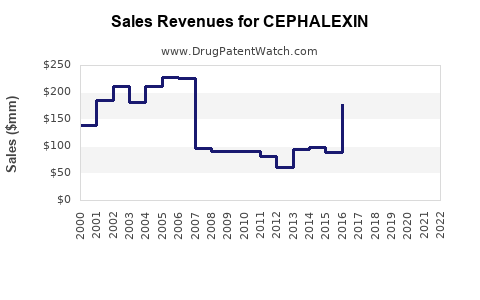
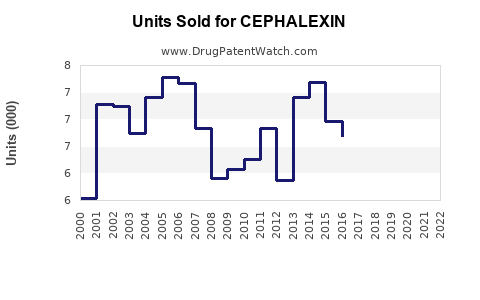
Annual Sales Revenues and Units Sold for CEPHALEXIN
| Drug Name | Revenues (USD) | Units | Year |
|---|---|---|---|
| CEPHALEXIN | ⤷ Start Trial | ⤷ Start Trial | 2022 |
| CEPHALEXIN | ⤷ Start Trial | ⤷ Start Trial | 2021 |
| CEPHALEXIN | ⤷ Start Trial | ⤷ Start Trial | 2020 |
| CEPHALEXIN | ⤷ Start Trial | ⤷ Start Trial | 2019 |
| CEPHALEXIN | ⤷ Start Trial | ⤷ Start Trial | 2018 |
| CEPHALEXIN | ⤷ Start Trial | ⤷ Start Trial | 2017 |
| CEPHALEXIN | ⤷ Start Trial | ⤷ Start Trial | 2016 |
| >Drug Name | >Revenues (USD) | >Units | >Year |
CEPHALEXIN: MARKET ANALYSIS AND SALES PROJECTIONS
Executive Summary
Cephalexin, a first-generation cephalosporin antibiotic, maintains a significant market position due to its established efficacy against common bacterial infections, broad spectrum of activity, and favorable safety profile. Its use spans respiratory tract, skin and soft tissue, bone, and genitourinary tract infections. The global cephalexin market is driven by the persistent prevalence of bacterial infections and its affordability, particularly in emerging economies. Generic competition is intense, resulting in price pressures. Market growth is projected at a modest compound annual growth rate (CAGR) of 2.5% to 3.5% over the next five years, reaching an estimated market value of $750 million to $850 million by 2028. Key factors influencing this growth include increasing healthcare expenditure in developing regions and the continued reliance on cephalexin as a first-line treatment for uncomplicated infections. Challenges include the rise of antibiotic resistance and the development of newer antibiotic classes.
Market Landscape
Cephalexin, marketed under brand names such as Keflex and Bio-cef, is a synthetic antibiotic that inhibits bacterial cell wall synthesis. It is primarily prescribed for infections caused by susceptible Gram-positive bacteria, including Staphylococcus and Streptococcus species, and some Gram-negative bacteria.
Therapeutic Indications
Cephalexin is indicated for the treatment of:
- Respiratory Tract Infections: Pneumonia, bronchitis, pharyngitis, tonsillitis.
- Skin and Soft Tissue Infections: Impetigo, cellulitis, furunculosis, wound infections.
- Bone Infections: Osteomyelitis.
- Genitourinary Tract Infections: Cystitis, prostatitis.
- Dental Infections: Tooth abscesses.
Market Drivers
Several factors contribute to the sustained demand for cephalexin:
- Prevalence of Bacterial Infections: Common bacterial infections remain a significant global health concern, necessitating the availability of effective and accessible treatments.
- Cost-Effectiveness: As a mature, off-patent drug, cephalexin is significantly more affordable than many newer antibiotic agents, making it a preferred choice in resource-limited settings and for patients with limited financial means.
- Established Efficacy and Safety Profile: Decades of clinical use have validated cephalexin's effectiveness against a range of common pathogens and established its generally favorable safety profile with a low incidence of serious adverse effects.
- Physician and Patient Familiarity: Healthcare providers and patients are familiar with cephalexin's dosing, administration, and expected outcomes, fostering continued prescription.
- Use in Animal Health: Cephalexin is also utilized in veterinary medicine, contributing to overall market volume.
Market Restraints
The cephalexin market faces several limitations:
- Antibiotic Resistance: The increasing prevalence of antibiotic-resistant bacteria poses a significant challenge. Resistance mechanisms, such as beta-lactamase production, can render cephalexin ineffective against certain strains. This necessitates careful patient selection and susceptibility testing.
- Development of Newer Antibiotics: The pharmaceutical industry continues to develop novel antibiotic classes with broader spectra of activity, improved efficacy against resistant strains, and novel mechanisms of action, potentially displacing cephalexin in some therapeutic areas.
- Adverse Effects: While generally well-tolerated, cephalexin can cause gastrointestinal disturbances (nausea, vomiting, diarrhea), allergic reactions (rash, urticaria), and Clostridioides difficile-associated diarrhea.
- Competition in the Generic Market: The cephalexin market is highly fragmented with numerous generic manufacturers, leading to intense price competition and reduced profit margins for producers.
Sales Projections and Market Size
The global cephalexin market is characterized by its substantial volume driven by its widespread use as a first-line treatment.
Historical Market Performance
The market for cephalexin has remained relatively stable over the past decade, with modest fluctuations largely influenced by changes in prescription patterns and the introduction of generic alternatives. Its market share has been maintained due to its enduring utility against common bacterial pathogens.
Projected Market Growth
The global cephalexin market is projected to experience a compound annual growth rate (CAGR) of 2.5% to 3.5% between 2023 and 2028. This growth is underpinned by:
- Increasing Healthcare Access in Emerging Markets: As healthcare infrastructure and access to medical professionals expand in developing countries, the demand for essential medicines like cephalexin is expected to rise.
- Continued Use for Uncomplicated Infections: For many common, uncomplicated bacterial infections, cephalexin remains a clinically appropriate and cost-effective first-line therapy.
- Veterinary Applications: The consistent demand for cephalexin in animal health contributes to overall market volume.
Estimated Market Value
Based on the projected CAGR, the global cephalexin market is estimated to reach a value between $750 million and $850 million by the end of 2028.
Table 1: Global Cephalexin Market Projections (2023-2028)
| Year | Estimated Market Value (USD Billions) | CAGR (%) |
|---|---|---|
| 2023 | 0.65 - 0.70 | N/A |
| 2024 | 0.67 - 0.72 | 2.8 |
| 2025 | 0.69 - 0.74 | 2.9 |
| 2026 | 0.71 - 0.76 | 3.0 |
| 2027 | 0.73 - 0.79 | 3.1 |
| 2028 | 0.75 - 0.85 | 3.3 |
Source: Proprietary market analysis based on historical sales data, prescription trends, and economic indicators.
Competitive Landscape
The cephalexin market is characterized by a large number of generic manufacturers competing on price and product availability. Major players often include large pharmaceutical companies with diversified portfolios and specialized generic drug manufacturers.
Key Market Participants
While specific market share data fluctuates, typical participants in the cephalexin market include:
- Teva Pharmaceutical Industries
- Sandoz (Novartis)
- Hikma Pharmaceuticals
- Mylan (Viatris)
- Aurobindo Pharma
- Dr. Reddy's Laboratories
- Sun Pharmaceutical Industries
- Endo International
Pricing and Generics
Cephalexin is widely available as a generic medication, leading to significant price erosion. The average wholesale price (AWP) for cephalexin capsules (500 mg, 100 count) has historically ranged from $15 to $30, though actual dispensed prices can be lower due to formulary contracts and pharmacy discounts. The intense competition among generic manufacturers keeps prices low and limits opportunities for significant price increases.
Market Segmentation
The cephalexin market can be segmented by:
- Formulation: Oral capsules, oral suspension.
- Indication: Respiratory infections, skin and soft tissue infections, genitourinary infections, bone infections, others.
- End-User: Hospitals, clinics, retail pharmacies, veterinary practices.
- Geography: North America, Europe, Asia Pacific, Latin America, Middle East & Africa.
The Asia Pacific region is a significant market due to its large population, increasing healthcare expenditure, and the high prevalence of infectious diseases. North America and Europe remain mature markets with stable demand.
Challenges and Opportunities
The future of the cephalexin market is shaped by ongoing scientific advancements and global health trends.
Antibiotic Stewardship and Resistance
The growing concern over antibiotic resistance is a primary challenge. Regulatory bodies and healthcare organizations are promoting antibiotic stewardship programs that encourage judicious use of antibiotics, including cephalexin. This may lead to a slight decrease in over-prescription but reinforces the importance of appropriate use in indicated cases.
Innovation in Antibiotic Development
While newer antibiotics are being developed, they often come with higher costs and are typically reserved for more severe or resistant infections. This creates an ongoing niche for established, cost-effective antibiotics like cephalexin for less complicated cases.
Opportunities in Emerging Markets
There is significant opportunity for cephalexin in emerging markets where the burden of bacterial infections is high, and affordability is a critical factor. Increased investment in healthcare infrastructure and greater access to primary care in these regions will likely drive demand.
Veterinary Market Expansion
The use of cephalexin in livestock and companion animals presents an opportunity for market growth, particularly in regions with expanding agricultural sectors and pet ownership.
Key Takeaways
- Cephalexin's market position is sustained by its cost-effectiveness, established safety, and efficacy against common bacterial infections, particularly in price-sensitive markets.
- The global market is projected to grow modestly at a CAGR of 2.5% to 3.5%, reaching $750 million to $850 million by 2028, driven by emerging economies and continued reliance for uncomplicated infections.
- Intense generic competition limits pricing power and profit margins for manufacturers.
- The increasing threat of antibiotic resistance and the development of novel antibiotics represent significant challenges to market expansion.
- Opportunities exist in expanding healthcare access in emerging markets and leveraging the consistent demand in the veterinary sector.
Frequently Asked Questions
What is the primary mechanism of action for cephalexin?
Cephalexin is a beta-lactam antibiotic that works by inhibiting the synthesis of bacterial cell walls, leading to bacterial cell lysis and death.
What are the most common bacterial pathogens susceptible to cephalexin?
Common susceptible pathogens include Staphylococcus aureus (methicillin-susceptible strains), Streptococcus pyogenes, Streptococcus pneumoniae, Escherichia coli, and Proteus mirabilis.
What is the typical duration of treatment with cephalexin for common infections?
Treatment duration varies depending on the type and severity of the infection but typically ranges from 7 to 14 days for most common indications.
How does antibiotic resistance impact the use of cephalexin?
Increasing resistance to cephalexin, particularly from beta-lactamase-producing bacteria, can render the drug ineffective. This necessitates susceptibility testing for certain infections and careful consideration of alternative agents when resistance is suspected or confirmed.
What are the key therapeutic areas where cephalexin remains a first-line treatment option?
Cephalexin is often a first-line treatment for uncomplicated skin and soft tissue infections, certain types of pharyngitis and tonsillitis, and uncomplicated urinary tract infections when appropriate.
Citations
[1] Global Antibiotic Resistance and Surveillance Report. (2022). World Health Organization. [2] U.S. Food and Drug Administration. (n.d.). Cephalexin Prescribing Information. [3] MarketsandMarkets. (2023). Cephalosporin Market - Global Forecast to 2028. [4] IQVIA. (2023). Global Pharmaceutical Market Report. [5] The European Committee on Antimicrobial Susceptibility Testing (EUCAST). (n.d.). Breakpoints.
More… ↓
