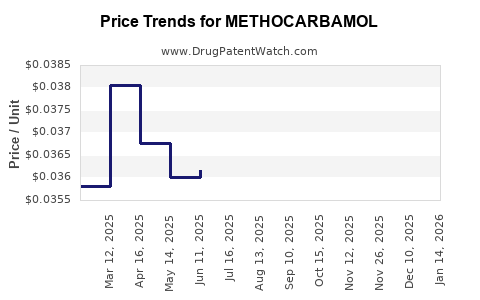
Last updated: February 19, 2026
Methocarbamol is a centrally acting skeletal muscle relaxant. Its primary indications include relief of discomfort associated with acute painful musculoskeletal conditions. Market analysis indicates a mature but stable demand driven by chronic pain management and post-surgical recovery. Patent protection for the molecule itself has expired globally. Current patent activity focuses on novel formulations, delivery methods, and combination therapies, which may create limited market exclusivity for specific products.
What is the Current Patent Status of Methocarbamol?
The foundational patents covering methocarbamol as a chemical entity have long expired. These patents, initially granted in the 1950s, established the molecule's therapeutic use. Consequently, generic manufacturers have been able to produce and market methocarbamol for decades.
- Active Pharmaceutical Ingredient (API) Patents: Expired globally. This allows for widespread generic manufacturing.
- Formulation Patents: Active, though limited in scope. Companies are seeking patents for extended-release formulations, transdermal patches, and novel combinations with other analgesics or muscle relaxants. These patents typically have a lifespan of 20 years from filing.
- Method of Use Patents: Limited. New therapeutic indications for methocarbamol or its specific use in certain patient populations could be patentable, but such filings are rare for established drugs.
- Combination Therapy Patents: Emerging area. Patents may cover the combination of methocarbamol with other active ingredients for synergistic effects in pain management.
Who are the Key Players in the Methocarbamol Market?
The methocarbamol market is characterized by a mix of generic manufacturers and smaller pharmaceutical companies developing differentiated products.
Major Generic Manufacturers:
- Teva Pharmaceutical Industries: A significant global supplier of generic pharmaceuticals, including methocarbamol.
- Lupin Ltd.: Indian multinational pharmaceutical company with a broad generic portfolio.
- Dr. Reddy's Laboratories: Another major Indian generic drug producer active in the US and European markets.
- Sun Pharmaceutical Industries: One of the largest generic companies globally.
- Accord Healthcare: European-based generic drug manufacturer with a strong presence.
Companies with Differentiated Formulations or Combinations (Examples):
While specific patent filings can be complex and proprietary, companies that have historically invested in advanced formulations or combination products in the muscle relaxant space include:
- Endo Pharmaceuticals: Known for its pain management portfolio, though specific methocarbamol-centric pipeline details are not always publicly detailed.
- Perrigo Company plc: Focuses on over-the-counter and generic prescription products.
This landscape is dynamic, with potential for new entrants or strategic partnerships targeting niche applications or improved delivery systems.
What are the Market Size and Growth Projections for Methocarbamol?
The global methocarbamol market is considered mature. Its demand is primarily driven by the prevalence of musculoskeletal disorders and the ongoing need for effective pain management.
- Current Market Size (Estimated 2023): The global market for methocarbamol is estimated to be between $350 million and $500 million USD. This figure is a consolidation of various regional sales data and industry estimates.
- Projected Growth Rate (2024-2029): The market is expected to grow at a Compound Annual Growth Rate (CAGR) of 2% to 4%. This modest growth is attributed to:
- Increasing prevalence of chronic pain: Aging populations and sedentary lifestyles contribute to a rise in conditions like lower back pain and arthritis, which often involve muscle spasms.
- Post-operative recovery: Methocarbamol remains a common choice for managing post-surgical pain and muscle stiffness.
- Limited development of novel muscle relaxants: The pipeline for entirely new classes of muscle relaxants is not robust, sustaining demand for established agents like methocarbamol.
- Factors Limiting Higher Growth:
- Generic competition: The presence of numerous generic manufacturers keeps prices low and limits revenue growth for any single entity.
- Availability of alternative treatments: Other muscle relaxants, non-pharmacological therapies (physical therapy, heat/cold therapy), and analgesics compete for market share.
- Side effect profile: While generally well-tolerated, common side effects (drowsiness, dizziness) can limit patient adherence and physician preference in some cases.
Regional Market Breakdown (Estimated Share):
| Region |
Estimated Market Share |
Growth Drivers |
| North America |
35% - 45% |
High prevalence of musculoskeletal conditions, established healthcare infrastructure. |
| Europe |
25% - 35% |
Aging population, strong demand for pain management solutions. |
| Asia-Pacific |
15% - 25% |
Increasing healthcare access, rising incidence of lifestyle-related pain. |
| Rest of World |
5% - 15% |
Developing healthcare systems, focus on essential medicines. |
What are the Primary Therapeutic Uses Driving Demand?
Methocarbamol's utility in managing pain and discomfort arising from muscle issues forms the bedrock of its market demand.
- Acute Musculoskeletal Pain: This is the primary indication. It includes relief from pain associated with:
- Muscle strains and sprains.
- Fibromyalgia.
- Lower back pain.
- Neck pain.
- Post-Surgical Muscle Spasms: Used to alleviate muscle spasms that can occur after orthopedic surgery.
- Adjunct in Physical Therapy: Prescribed to facilitate recovery during physical therapy for muscle injuries.
- Tetanus Management: Although less common in developed nations due to widespread vaccination, methocarbamol has historically been used as an adjunct to reduce muscle spasms in tetanus.
The persistence of these conditions ensures a steady, albeit not rapidly expanding, demand for methocarbamol.
What are the Key Challenges and Opportunities for Methocarbamol Producers?
The market for methocarbamol presents both significant hurdles and avenues for strategic development.
Challenges:
- Price Erosion due to Generic Competition: The market is highly competitive, leading to significant price pressure. Manufacturers struggle to achieve substantial revenue growth from standard generic formulations.
- Regulatory Hurdles for New Formulations: Developing and gaining regulatory approval for novel formulations (e.g., extended-release, novel delivery systems) is time-consuming and expensive.
- Limited Pipeline Innovation: The lack of a robust pipeline for new, first-in-class muscle relaxants means methocarbamol faces competition from existing generic muscle relaxants rather than disruptive novel therapies.
- Physician and Patient Education: Ensuring appropriate prescribing and patient understanding of the drug's benefits and limitations is crucial, especially with the availability of many generic options.
- Side Effect Management: While generally safe, potential side effects like drowsiness can impact compliance and lead some patients to seek alternatives.
Opportunities:
- Development of Extended-Release (ER) Formulations: ER versions could offer improved patient compliance by reducing dosing frequency and potentially mitigating peak-and-trough effects, leading to more stable symptom control. Patents on ER formulations can provide a period of market exclusivity.
- Combination Therapies: Developing fixed-dose combinations with analgesics (e.g., NSAIDs, acetaminophen) or other muscle relaxants could offer synergistic pain relief and simplify treatment regimens. These combinations are patentable.
- Improved Delivery Systems: Transdermal patches or other novel delivery methods could address issues like gastrointestinal side effects or improve patient convenience, potentially commanding a premium price.
- Targeted Patient Populations: Identifying and developing specific treatment protocols or formulations for niche patient groups with unmet needs could carve out market share.
- Emerging Markets: As healthcare infrastructure develops in emerging economies, there will be an increasing demand for cost-effective and essential medications like methocarbamol.
What are the Price Projections for Methocarbamol?
Price projections for methocarbamol are heavily influenced by the generic nature of the drug and the intense competition within the market.
- Current Average Wholesale Price (AWP) Range (Generic Tablets 500mg, 100 count): This can vary significantly by region and distributor but typically falls between $20 and $60 USD.
- Projected Price Trend (Standard Generic Formulations): Prices for standard generic tablets are expected to remain relatively stable or see slight declines of 1-3% annually due to ongoing generic competition and purchasing power of large healthcare systems.
- Projected Price Trend (Differentiated Formulations/Combinations): Novel formulations (e.g., extended-release, transdermal) or patent-protected combination products are likely to command a premium price, potentially 1.5 to 3 times that of standard generic tablets, depending on their clinical advantages and patent exclusivity period. These specialized products could see modest price increases of 3-5% annually during their period of market exclusivity.
The overall market value will be a combination of the large volume of low-cost generics and a smaller volume of higher-priced, differentiated products.
Key Takeaways
- The methocarbamol market is mature, with the API patents expired globally, leading to a strong generic presence.
- Market growth is projected at a modest CAGR of 2-4%, driven by chronic pain and post-surgical needs.
- Key revenue opportunities lie in developing and patenting novel formulations (extended-release, transdermal) and combination therapies.
- Standard generic methocarbamol prices are expected to remain stable or decline slightly, while differentiated products may command premium pricing.
- Competition from other muscle relaxants and non-pharmacological therapies will continue to influence market dynamics.
Frequently Asked Questions
1. Are there any active patents that could block generic entry of methocarbamol?
No, the primary patents covering methocarbamol as a chemical entity have expired globally, allowing for generic manufacturing. Patents currently exist for specific formulations, delivery methods, and combination therapies, which could block entry of those specific improved products, but not the basic generic molecule.
2. What is the typical dosing regimen for methocarbamol?
The typical oral dosage for adults is 1500 mg four times daily. For acute spasm, an initial dose of 1500 mg four times daily for 48 to 72 hours may be recommended, followed by a maintenance dose of 1000 mg four times daily. Dosage adjustments are based on patient response and tolerance.
3. What are the most common side effects of methocarbamol?
The most common side effects include drowsiness, dizziness, lightheadedness, and blurred vision. Nausea, vomiting, and gastrointestinal upset can also occur.
4. Can methocarbamol be used for chronic pain management?
Yes, methocarbamol can be used as part of a comprehensive pain management strategy for chronic musculoskeletal conditions, particularly when muscle spasms contribute to the pain. However, its use for chronic pain is often adjunctive rather than primary.
5. What is the difference between methocarbamol and other muscle relaxants like cyclobenzaprine or baclofen?
Methocarbamol is a centrally acting skeletal muscle relaxant, but its precise mechanism of action is not fully understood. Cyclobenzaprine also acts centrally but shares structural similarities with tricyclic antidepressants. Baclofen acts as a GABA-B receptor agonist, primarily in the spinal cord. These differences can lead to varying efficacy and side effect profiles, making them suitable for different patient needs and conditions.
Citations
[1] Various Market Research Reports (Proprietary Data). Global pharmaceutical market analysis for skeletal muscle relaxants. (2023-2024).
[2] U.S. Food & Drug Administration (FDA). Drug Approval Database. (Accessed October 26, 2023).
[3] European Medicines Agency (EMA). European Public Assessment Reports. (Accessed October 26, 2023).
[4] Pharmaceutical Company Annual Reports and Investor Presentations. (2022-2023).
[5] National Institutes of Health (NIH). ClinicalTrials.gov. (Accessed October 26, 2023).