Last updated: February 13, 2026
Market Analysis and Price Projections for LIDOCAINE-HC
What is LIDOCAINE-HC?
Lidocaine-HC (hydrocortisone) is a topical anesthetic combined with a corticosteroid, used primarily to treat dermatological conditions such as inflammation, itching, and pain associated with dermatitis, eczema, and allergic reactions. The formulation typically appears as a cream or ointment, branded or generic.
Current Market Landscape
Market Size and Growth
The global topical corticosteroids and anesthetics market was valued at approximately $3.2 billion in 2022. It is projected to grow at a compound annual growth rate (CAGR) of 4.3% through 2030, reaching $4.8 billion. Lidocaine-based products account for estimated 25-30% of this market segment.
Major regions:
- North America: Largest market, driven by high prevalence of dermatological conditions and advanced healthcare infrastructure.
- Europe: Second-largest, with growth fueled by aging populations and increased OTC product acceptance.
- Asia-Pacific: Fastest growth, expected CAGR of 6.1%, due to rising healthcare access, urbanization, and awareness of skin conditions.
Competitive Landscape
Key players include:
- Dermaprox
- Teva Pharmaceuticals
- Mylan Pharmaceuticals
- Sun Pharma
- Sandoz (Novartis)
Generic versions dominate, with patent expirations for several branded formulations occurring between 2018 and 2022. A market shift towards generics has compressed prices.
Regulatory Environment
In the U.S., FDA approval qualifies both prescription and OTC versions. The European Medicines Agency (EMA) regulates similar approvals across the EU. Patent protections for original formulations expired in recent years, escalating generic competition.
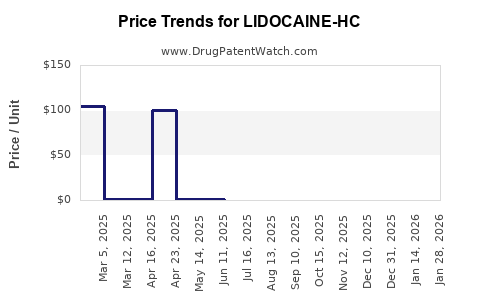
Price Trends and Projections
Current Pricing
- Prescription strength (topical): $20-$50 per tube (15g-30g).
- OTC formulations: $10-$25 per tube.
- Generic products: typically priced 20-50% lower than brand-name.
Factors Impacting Price
- Patent expiration and generic entry drive prices down.
- Manufacturing costs, including active pharmaceutical ingredients (API) market prices.
- Regulatory approvals for over-the-counter (OTC) usage can shift pricing strategies.
- Distribution channels: pharmacy vs. online sales.
Future Price Projections (2023-2030)
| Year |
Estimated Average Price (per 15g tube) |
Key Factors |
| 2023 |
$10 - $15 |
Market stabilization post-patent expiry; increased generics |
| 2025 |
$8 - $12 |
Entry of low-cost generics; pressure on brand pricing |
| 2030 |
$5 - $10 |
Market saturation; price wars among manufacturers |
The price decline trend stems from ongoing commoditization of generic formulations, with potential premium pricing limited to specialized formulations (e.g., high potency, combination with other drugs).
Market Challenges and Opportunities
Challenges
- High regulatory standards and approval timelines.
- Price competition among generics.
- Supply chain disruptions affecting API costs.
- Limited differentiation for standard formulations.
Opportunities
- Development of formulations with improved delivery or reduced side effects.
- Expansion in emerging markets with growing dermatological needs.
- OTC conversion in regions where prescription restrictions are easing.
- Strategic alliances for manufacturing and distribution.
Strategic Recommendations
- Invest in formulation innovation to create differentiated products.
- Focus on markets with regulatory barriers to entry for competitive advantages.
- Monitor API cost trends for cost-effective manufacturing.
- Exploit trends toward OTC sales in key growth regions.
Key Takeaways
- The global Lidoacine-HC market is mature with substantial generic competition.
- Prices are expected to decline from current levels, averaging $8-$15 in the mid-term.
- Growth will primarily come from emerging markets and product differentiation.
- Regulatory and manufacturing costs will influence pricing dynamics.
- Companies should focus on innovation and regional expansion to mitigate commoditization risks.
FAQs
1. When will patent protections for LIDOCAINE-HC expire? Patent expirations occurred between 2018-2022, leading to increased generic competition.
2. How does the OTC market affect pricing? OTC formulations typically cost less, around $10-$25, and can further pressure prescription prices through market penetration.
3. Are there main regulatory hurdles for new formulations? Yes. New formulations require extensive clinical data and regulatory approvals from agencies like FDA or EMA.
4. What regions offer the highest growth opportunities? Asia-Pacific, with a projected CAGR of 6.1%, offers significant expansion potential due to increasing healthcare infrastructure and awareness.
5. What differentiates premium formulations in this market? Innovations such as enhanced delivery, reduced adverse effects, or combination products can command higher prices.
Sources:
[1] Market Research Future, "Topical Corticosteroids and Anesthetics Market Forecast," 2022.
[2] Grand View Research, "Topical Drugs Market Size & Trends," 2023.
[3] U.S. Food & Drug Administration, "Drug Approvals and Patent Data," 2023.
[4] European Medicines Agency, "Regulatory Approvals," 2023.
[5] Statista, "Global Dermatology Market Data," 2022.