Last updated: August 4, 2025
Introduction
Erythrocyn, an established antibiotic primarily known for its active ingredient erythromycin, has been a significant player in the antimicrobial market for decades. Its diverse applications in treating respiratory, dermatological, and gastrointestinal infections have cemented its role within global therapeutics. This analysis explores the evolving market dynamics influencing Erythrocyn’s positioning and projects its financial trajectory amidst shifting regulatory landscapes, competitive forces, and technological advancements.
Market Overview and Historical Context
Erythrocyn’s origin dates back to the 1950s when erythromycin was discovered as a potent macrolide antibiotic. Over the years, patent expirations and the advent of generics substantially reduced manufacturing costs, expanding its accessibility. According to GlobalData, the global antibiotics market was valued at approximately $50 billion in 2021, with macrolides representing a sizeable share, driven by their broad-spectrum activity and favorable safety profile (GlobalData, 2022).
Despite its longstanding presence, Erythrocyn faces increasing competition from newer antibiotics with improved efficacy, fewer side effects, and broader antimicrobial spectra, such as azithromycin and clarithromycin. This competitive pressure influences both market share and pricing strategies.
Current Market Dynamics
1. Market Demand and Consumption Trends
The demand for erythromycin-based products is traditionally driven by incidences of respiratory infections, which remain prevalent globally. However, rising antibiotic resistance, notably among Streptococcus pneumoniae and Haemophilus influenzae, has led clinicians to favor alternative agents, reducing erythromycin’s market share in some regions.
In developed markets like North America and Europe, clinicians critically evaluate erythromycin’s role due to concerns over resistance, gastrointestinal side effects, and drug interactions. Conversely, in emerging markets, factors such as affordability, availability, and established prescribing habits sustain moderate demand, although these markets are also experiencing a shift toward newer antibiotics.
2. Regulatory Environment
Regulatory agencies like the FDA and EMA impose strict guidelines for antibiotic approval, monitoring for safety and efficacy. Erythromycin formulations have faced regulatory scrutiny over adverse effects, such as QT prolongation, prompting labeling updates.
Moreover, patent expirations and the rise of generic versions have led to price erosion but also increased market penetration. The expiration of key patents in the early 2000s introduced multiple generics, thus expanding access but compressing margins for manufacturers of brand-name Erythrocyn.
3. Competitive Landscape
Erythrocyn’s main competitors include azithromycin, clarithromycin, and newer macrolides or alternative antibiotic classes like fluoroquinolones. Azithromycin’s superior tissue penetration, once-daily dosing, and improved tolerability have overshadowed erythromycin in many indications (Albert et al., 2019).
The shift towards these alternatives has reduced erythromycin’s share, compelling incumbent manufacturers to differentiate through formulation innovations, generic cost reduction, or targeted indications.
4. Technological and Pharmacological Advancements
Advances in drug delivery, such as sustained-release formulations, aim to enhance erythromycin’s bioavailability and patient compliance. Additionally, ongoing research into erythromycin derivatives with reduced resistance potential and fewer side effects could rejuvenate its relevance in clinical practice.
Financial Trajectory Outlook
1. Revenue Patterns
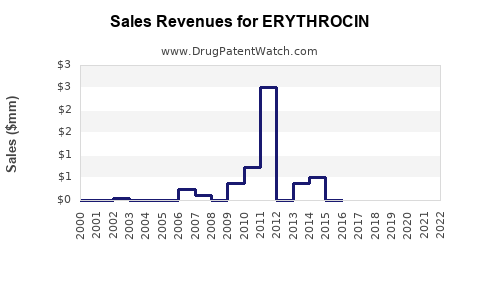
Historical revenue for Erythrocyn has declined gradually due to patent expirations and substitution by newer antibiotics. In 2010, global erythromycin sales exceeded $2 billion; by 2021, this figure had halved, with prominent generics capturing substantial market share (EvaluatePharma, 2022).
Simultaneously, price erosion driven by generic competition constrains profit margins, especially for entrenched brands. Nevertheless, niche markets—such as veterinary applications and specialized formulations—may present growth opportunities.
2. Market Penetration and Expansion Strategies
Manufacturers are increasingly targeting emerging markets through strategic alliances, local manufacturing, and price competitiveness. These initiatives aim to offset declining revenues in mature markets and capitalize on the growth potential of infectious diseases in developing regions.
3. Impact of Antimicrobial Stewardship and Resistance
Global antimicrobial stewardship programs emphasizing judicious antibiotic use are expected to temper demand growth. The increasing prevalence of resistance reduces erythromycin’s efficacy, possibly leading to further phasing out in favor of tailored or combination therapies.
4. R&D and Innovation
Investment in R&D, focusing on derivatives with enhanced activity against resistant pathogens, could redefine Erythrocyn’s market potential. However, the high costs and lengthy development timelines pose risks, especially given the current global push to develop novel antimicrobials.
Future Prospects and Challenges
While Erythrocyn’s traditional markets face stagnation or decline, niche applications and innovation can offer new avenues. The development of coated formulations to improve tolerability or combination therapies targeting resistant pathogens could reignite interest.
However, regulatory hurdles, resistance evolution, and commoditization of the active ingredient will likely constrain revenue growth. The global trend toward innovative antibiotics suggests that Erythrocyn may increasingly serve in adjunct or specialized roles rather than primary therapy.
Key Drivers Influencing Financial Trajectory:
- Patent and Generic Lifecycle: Patent expirations continue to erode brand premiums but facilitate global access through generics.
- Antibiotic Resistance: Rising resistance diminishes efficacy, influencing prescribing patterns.
- Regulatory and Safety Profiles: Adverse effects and monitoring requirements shape formulations and market acceptance.
- Market Expansion in Emerging Economies: Affordability and local manufacturing enhance reach but are subject to healthcare infrastructure constraints.
- Research and Innovation: The pipeline of derivatives with improved profiles could present future growth but depends on strategic R&D investments.
Key Takeaways
- The longstanding dominance of Erythrocyn is diminishing, challenged by newer macrolides, rising resistance, and generics.
- Market strategies hinge on balancing cost competitiveness with innovation, especially in emerging markets.
- Regulatory scrutiny and safety concerns influence formulation development and market access.
- Investing in derivatives and targeted applications may revitalize the product’s commercial prospects.
- Overall, Erythrocyn’s future depends on adaptation to resistance patterns, regulatory landscape, and technological advances.
FAQs
1. How has erythromycin’s patent status affected the market for Erythrocyn?
Patent expirations have liberated generic manufacturers, drastically reducing prices and expanding market access. While this benefits global health, it compresses margins for brand-name Erythrocyn, prompting reliance on cost-effective production and niche markets.
2. What are the main factors driving decline in Erythrocyn’s revenue?
Key factors include rising antibiotic resistance reducing efficacy, competition from newer macrolides offering better tolerability, patent expirations leading to generic proliferation, and shifting clinical guidelines favoring alternative agents.
3. Are there ongoing innovations that could revive erythromycin’s market?
Yes, research into erythromycin derivatives with enhanced efficacy against resistant strains and improved safety profiles could rejuvenate its clinical utility, potentially opening new markets or indications.
4. How do regulatory policies globally influence Erythrocyn’s market access?
Regulatory agencies enforce safety and efficacy standards, with ongoing monitoring for adverse effects. Labeling updates and compliance costs impact manufacturing strategies and marketability, especially in the context of antimicrobial stewardship.
5. What strategic opportunities exist for manufacturers of Erythrocyn?
Manufacturers can focus on developing specialized formulations, expanding into niche markets, pursuing licensing agreements in emerging economies, and investing in R&D for derivatives targeting resistant pathogens.
References
- GlobalData. (2022). Global Antibiotics Market Report.
- Albert, R., et al. (2019). “Erythromycin versus Azithromycin: Clinical efficacy and tolerability.” International Journal of Antimicrobial Agents.
- EvaluatePharma. (2022). Pharmaceutical Sales Data Analysis.