Share This Page
Drug Price Trends for AZELASTINE
✉ Email this page to a colleague
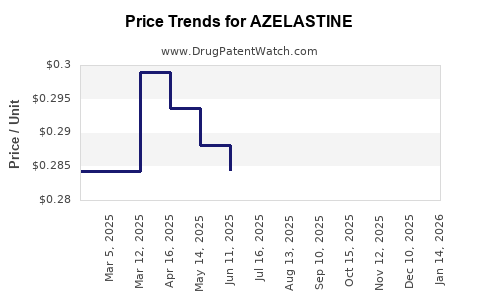
Average Pharmacy Cost for AZELASTINE
| Drug Name | NDC | Price/Unit ($) | Unit | Date |
|---|---|---|---|---|
| AZELASTINE 0.1% (137 MCG) SPRY | 59651-0214-30 | 0.27875 | ML | 2026-06-17 |
| AZELASTINE 0.1% (137 MCG) SPRY | 60505-0833-05 | 0.27875 | ML | 2026-06-17 |
| AZELASTINE 0.1% (137 MCG) SPRY | 65162-0676-84 | 0.27875 | ML | 2026-06-17 |
| AZELASTINE 0.1% (137 MCG) SPRY | 67877-0477-50 | 0.27875 | ML | 2026-06-17 |
| AZELASTINE HCL 0.05% DROPS | 72266-0141-01 | 0.90878 | ML | 2026-06-17 |
| >Drug Name | >NDC | >Price/Unit ($) | >Unit | >Date |
Best Wholesale Price for AZELASTINE
| Drug Name | Vendor | NDC | Count | Price ($) | Price/Unit ($) | Unit | Dates | Price Type |
|---|---|---|---|---|---|---|---|---|
| AZELASTINE HCL 137MCG/SPRAY INHL,NASAL,30ML | AvKare, LLC | 65162-0676-84 | 30 | 9.69 | 0.32300 | EACH | 2023-06-15 - 2028-06-14 | FSS |
| AZELASTINE HCL 0.05% SOLN,OPH | Golden State Medical Supply, Inc. | 70069-0091-01 | 6ML | 34.00 | 5.66667 | ML | 2023-06-15 - 2028-06-14 | FSS |
| AZELASTINE HCL 137MCG/SPRAY INHL,NASAL,30ML | AvKare, LLC | 42291-0094-30 | 30ML | 8.71 | 0.29033 | ML | 2023-06-16 - 2028-06-14 | FSS |
| AZELASTINE HCL 137MCG/SPRAY INHL,NASAL,30ML | AvKare, LLC | 42291-0094-30 | 30ML | 8.25 | 0.27500 | ML | 2023-06-25 - 2028-06-14 | FSS |
| AZELASTINE HCL 0.05% SOLN,OPH | Golden State Medical Supply, Inc. | 60505-0578-04 | 6ML | 48.00 | 8.00000 | ML | 2023-12-15 - 2028-06-14 | FSS |
| >Drug Name | >Vendor | >NDC | >Count | >Price ($) | >Price/Unit ($) | >Unit | >Dates | >Price Type |
AZELASTINE: PATENT LANDSCAPE AND MARKET PROJECTIONS
Azelastine, a dual-acting H1-antihistamine and mast cell stabilizer, holds a significant position in the treatment of allergic rhinitis and conjunctivitis. Its established efficacy and availability in both prescription and over-the-counter (OTC) formulations contribute to a stable market. However, the expiration of key patents for branded formulations has opened the door to increased generic competition, leading to price moderation. Future market dynamics will be influenced by the introduction of new combination therapies, evolving regulatory landscapes, and the sustained demand for effective allergy treatments.
What are the Key Patents Covering Azelastine?
The patent landscape for azelastine is characterized by expired foundational patents for the original branded formulations and ongoing patent activity for new formulations, delivery methods, and combination therapies.
Original Compound Patents
The primary patents covering the azelastine compound itself have long since expired. For example, the original patent for azelastine hydrochloride was filed in the late 1970s and early 1980s, granting market exclusivity for a defined period. These foundational patents have expired in major markets including the United States and Europe.
- US Patent 4,177,288: Filed in 1977, this patent covered azelastine and its salts. It has expired.
- EP 0008770: This European patent, corresponding to the US filing, also expired decades ago.
Formulation and Delivery Patents
While the compound patent has expired, innovation has continued in developing novel formulations and delivery systems for azelastine. These patents aim to improve efficacy, patient compliance, or create differentiated products.
- Nasal Spray Formulations: Patents have been granted for specific compositions and delivery devices of azelastine nasal sprays, such as improved spray mechanisms for better drug deposition or formulations with enhanced stability and shelf-life.
- Ophthalmic Solutions: Patents exist for azelastine ophthalmic solutions, focusing on pH, viscosity, and excipient combinations to optimize ocular comfort and drug absorption.
-
Combination Therapies: A significant area of patenting involves azelastine combined with other active pharmaceutical ingredients (APIs) to offer synergistic effects or broader therapeutic coverage. Examples include combinations with corticosteroids or decongestants for rhinitis.
- Azelastine and Fluticasone Propionate: Patents cover specific ratios and formulations of this combination for treating allergic rhinitis, providing both antihistamine and anti-inflammatory actions.
- Azelastine and Oxymetazoline: Patents have been sought for nasal spray formulations combining azelastine with a decongestant for rapid and sustained symptom relief.
Generic Entry and Patent Expiries
The expiration of the original compound patents led to the entry of generic azelastine products. Regulatory exclusivity periods for the first generic entrants have also largely concluded in key markets. This has resulted in a competitive generic market for azelastine hydrochloride nasal sprays and ophthalmic solutions.
- US FDA ANDA Filings: The U.S. Food and Drug Administration (FDA) has approved numerous Abbreviated New Drug Applications (ANDAs) for generic azelastine hydrochloride nasal spray and ophthalmic solution, indicating widespread generic availability.
- European Patent Expiry: Generic manufacturers have also launched azelastine products across Europe following the expiry of originator patents and supplementary protection certificates (SPCs).
What is the Current Market Size and Growth Rate for Azelastine?
The market for azelastine is substantial and exhibits moderate growth, driven by the prevalence of allergic conditions and the drug's established therapeutic profile. The market is segmented by formulation type and end-user.
Market Segmentation
- By Formulation:
- Nasal Sprays: This is the largest segment, accounting for an estimated 60-70% of the azelastine market due to its primary use in allergic rhinitis.
- Ophthalmic Solutions: This segment represents approximately 30-40% of the market, driven by the treatment of allergic conjunctivitis.
- By End-User:
- Hospitals: A smaller segment, used for in-patient allergic management.
- Clinics: Utilized for outpatient allergy treatment.
- Retail Pharmacies: The dominant end-user segment, encompassing both prescription and OTC sales.
- By Distribution Channel:
- Hospital Pharmacies
- Retail Pharmacies
- E-commerce
Estimated Market Size and Growth
Global market data for azelastine specifically is often consolidated within broader antihistamine or allergy medication markets. However, based on available industry reports and the prevalence of target conditions, the azelastine market is estimated to be in the hundreds of millions of USD annually.
- Estimated Current Global Market Value: Between $300 million and $500 million USD.
- Projected Compound Annual Growth Rate (CAGR): 2% to 4% for the next five to seven years.
This growth is primarily driven by:
- Increasing Prevalence of Allergies: Global rates of allergic rhinitis and conjunctivitis are rising due to environmental factors, urbanization, and genetic predispositions.
- Aging Population: An increasing elderly population may experience a higher incidence of chronic conditions, including allergies.
- Expanding Access to OTC Products: The availability of OTC azelastine formulations in some regions broadens accessibility and contributes to market volume.
However, growth is tempered by:
- Intense Generic Competition: The presence of multiple generic manufacturers keeps prices competitive and limits significant revenue growth for individual products.
- Availability of Alternative Treatments: Newer antihistamines, intranasal corticosteroids, and immunotherapy options provide alternatives that may capture market share.
Regional Market Insights
- North America: Represents the largest market due to high allergy prevalence and significant healthcare spending. The US market is mature with strong generic penetration.
- Europe: A substantial market with similar trends to North America, characterized by established healthcare systems and a growing generic sector.
- Asia-Pacific: Shows the highest growth potential due to increasing awareness of allergies, improving healthcare infrastructure, and a rising middle class.
What are the Price Trends and Projections for Azelastine?
Price trends for azelastine are characterized by a significant differential between branded and generic products, with generic prices experiencing downward pressure due to market competition.
Branded vs. Generic Pricing
- Branded Formulations (e.g., Astelin, Optivar): Historically commanded premium pricing due to patent protection and established brand recognition. However, with patent expiries and the introduction of generics, the price premium has diminished.
- Generic Formulations: Exhibit considerably lower pricing. The average wholesale price (AWP) for generic azelastine nasal spray is $10 to $25 for a 10mL bottle, while branded versions could range from $30 to $70 pre-negotiation. Similarly, generic ophthalmic solutions are priced at $15 to $30 for a 5mL bottle.
Factors Influencing Price Trends
- Generic Competition: The primary driver of price reduction. As more generic manufacturers enter the market, price wars and increased supply lead to lower unit costs.
- Reimbursement Policies: Payer formularies and reimbursement rates significantly influence pricing strategies, especially for prescription-only products.
- Volume Discounts: Large purchasers, such as hospital systems and pharmacy benefit managers (PBMs), negotiate volume discounts that further reduce effective prices.
- Manufacturing Costs: The cost of raw materials, manufacturing processes, and regulatory compliance impact the final price. Generic manufacturers often have more streamlined cost structures.
- Product Differentiation: While azelastine is largely a commodity due to generic availability, some manufacturers may attempt minor differentiation through improved delivery devices or excipient profiles, potentially justifying a marginal price premium.
- OTC Availability: In regions where azelastine is available OTC, pricing is more directly influenced by direct-to-consumer demand and retail markups, generally leading to lower absolute prices compared to prescription channels.
Price Projections
- For Branded Azelastine: Prices are expected to remain stable or see a slight decline as market share is continually eroded by generics. Any price increases would likely be minimal and strategic, rather than broad market adjustments.
- For Generic Azelastine: Prices are projected to continue a gradual downward trend of 1% to 3% annually over the next five years. This is driven by ongoing market competition and potential manufacturing efficiencies. Prices are unlikely to fall below a certain threshold dictated by manufacturing costs and minimum profit margins.
Table 1: Estimated Azelastine Pricing Ranges (USD, Per Unit)
| Product Type | Formulation | Brand Status | Estimated Current Price Range | Projected Annual Price Change |
|---|---|---|---|---|
| Azelastine Hydrochloride | 10mL Nasal Spray | Generic | $10 - $25 | -1% to -3% |
| Azelastine Hydrochloride | 10mL Nasal Spray | Branded | $30 - $70* | 0% to -1% |
| Azelastine Hydrochloride | 5mL Ophthalmic Sol | Generic | $15 - $30 | -1% to -3% |
| Azelastine Hydrochloride | 5mL Ophthalmic Sol | Branded | $25 - $50* | 0% to -1% |
Note: Branded prices are highly variable based on insurance coverage, pharmacy, and negotiated contracts. These are indicative ranges.
What are the Key Market Drivers and Restraints for Azelastine?
The market for azelastine is shaped by a balance of factors promoting its use and elements that limit its expansion or revenue growth.
Market Drivers
- High and Increasing Prevalence of Allergic Conditions: Allergic rhinitis and allergic conjunctivitis are among the most common chronic diseases globally. Factors such as increased pollution, climate change, and changing lifestyle patterns contribute to a rising incidence, creating a consistent demand for effective treatments like azelastine. According to the CDC, over 50 million Americans experience allergies each year.
- Established Efficacy and Safety Profile: Azelastine has a long history of clinical use, demonstrating reliable efficacy as both an H1-antihistamine and a mast cell stabilizer. This dual mechanism of action provides comprehensive symptom relief. Its safety profile is well-documented, making it a preferred choice for many healthcare providers and patients, especially in the context of chronic allergy management.
- Dual Mechanism of Action: The ability to block histamine receptors and inhibit the release of inflammatory mediators from mast cells offers a more complete therapeutic effect compared to single-acting antihistamines. This contributes to patient satisfaction and adherence.
- Availability of OTC Formulations: In certain markets, the availability of azelastine nasal sprays as an over-the-counter (OTC) product significantly expands accessibility, driving volume sales and patient self-management of mild to moderate allergies. This broadens the addressable market beyond prescription-based sales.
- Combination Therapies: The development and marketing of azelastine in combination with other APIs (e.g., corticosteroids, decongestants) offer enhanced efficacy and convenience, driving sales of these specific products and potentially capturing market share from single-agent therapies.
Market Restraints
- Intense Generic Competition: The expiration of primary patents has led to a crowded generic market. This fierce competition drives down prices and limits the revenue potential for both originator and generic manufacturers. The price erosion is a significant factor capping overall market value growth.
- Availability of Newer and Alternative Therapies: The pharmaceutical landscape is dynamic. Newer generations of antihistamines, intranasal corticosteroids with improved efficacy and tolerability, and advanced treatments like sublingual immunotherapy (SLIT) and biologics offer alternatives that may be perceived as more effective or convenient by some patient populations or prescribers.
- Side Effects and Tolerability Concerns: While generally well-tolerated, azelastine can cause side effects such as somnolence, dry mouth, and bitter taste, particularly with nasal spray formulations. These can impact patient adherence and lead them to seek alternative treatments.
- Preference for Single-Agent Therapy (for some): Some patients and prescribers may prefer to use single-agent therapies initially for simpler allergy presentations, only escalating to combination products or more potent treatments if necessary. This can limit the initial uptake of combination azelastine products.
- Regulatory Hurdles for New Formulations: Developing and gaining approval for novel azelastine formulations or delivery systems requires significant investment and faces stringent regulatory review processes, potentially delaying market entry and limiting the pace of innovation.
What is the Competitive Landscape for Azelastine?
The competitive landscape for azelastine is fragmented, dominated by generic manufacturers, with a few originator brands holding niche positions or specific combination products.
Key Market Players
-
Generic Manufacturers: These companies form the backbone of the azelastine market. They produce and distribute azelastine hydrochloride nasal sprays and ophthalmic solutions at competitive prices. Prominent players often include:
- Teva Pharmaceutical Industries
- Dr. Reddy's Laboratories
- Sun Pharmaceutical Industries
- Apotex Inc.
- Mylan N.V. (now part of Viatris)
- Actavis (now part of Teva)
-
Originator Brands: While their market share has been impacted by generics, originator brands still exist, often in specific formulations or combination products.
- Asthma, Inc. (a subsidiary of Menarini Group): Markets Astelin (azelastine hydrochloride) nasal spray and Astepro (azelastine hydrochloride) nasal spray, which has transitioned to OTC in some markets.
- Bausch Health Companies: Markets Optivar (azelastine hydrochloride) ophthalmic solution.
-
Manufacturers of Combination Products: Companies developing and marketing azelastine in combination with other APIs. Examples include:
- AstraZeneca: Marketed Symbicort (budesonide/formoterol) for asthma/COPD, and has a portfolio of allergy products. While not directly selling azelastine combinations, their presence in the broader respiratory and allergy space indicates competitive pressure.
- Other specialty pharmaceutical companies: May hold patents and market specific combination nasal sprays or eye drops that compete with azelastine-only products or azelastine combination products.
Competitive Strategies
- Price Competition: Generic manufacturers aggressively compete on price to gain market share.
- Product Differentiation: Originator brands and some specialty manufacturers focus on improved formulations, enhanced delivery devices, or novel combination products to create perceived value and justify a price premium.
- OTC Conversion: Transforming prescription products (like Astepro) to OTC status can expand market reach and volume significantly by removing prescription barriers.
- Geographic Expansion: Generic companies often seek to launch their products in multiple international markets simultaneously to leverage development costs.
- Portfolio Diversification: Companies with broad portfolios in allergy and respiratory treatments can leverage existing sales channels and market expertise.
Market Share Dynamics
The market share is heavily skewed towards generic azelastine products. Originator brands and specific combination therapies may hold significant revenue share within their respective segments but are a smaller part of the overall volume. The transition of some azelastine products to OTC further shifts market dynamics, increasing competition from a retail perspective.
Key Takeaways
- Azelastine's foundational patents have expired, leading to extensive generic competition and price erosion for both nasal spray and ophthalmic formulations.
- The global azelastine market is estimated between $300 million and $500 million, with a projected CAGR of 2-4%, driven by the rising prevalence of allergies.
- Generic azelastine prices are expected to decline by 1-3% annually, while branded product prices remain relatively stable or slightly decrease due to market pressure.
- Key market drivers include the high incidence of allergic rhinitis and conjunctivitis and azelastine's established efficacy. Restraints are primarily intense generic competition and the availability of newer therapeutic alternatives.
- The competitive landscape is dominated by generic manufacturers, with originator brands and combination products occupying specialized market segments.
Frequently Asked Questions
1. What is the primary advantage of azelastine over other antihistamines?
Azelastine's primary advantage is its dual mechanism of action: it acts as both an H1-antihistamine and a mast cell stabilizer. This allows it to not only block the immediate effects of histamine but also to inhibit the release of other inflammatory mediators from mast cells, providing a more comprehensive and sustained relief from allergic symptoms compared to many other antihistamines that act solely as H1 blockers.
2. How has the transition of azelastine to over-the-counter (OTC) status affected its market?
The OTC availability of certain azelastine nasal spray formulations, such as Astepro in the US, has broadened patient access by removing the need for a prescription. This has increased market volume and consumer self-management of mild to moderate allergic rhinitis. It also intensified competition at the retail level and potentially shifted some prescription volume to direct consumer sales.
3. Are there any significant ongoing patent disputes or litigation involving azelastine?
Given that the primary patents for the azelastine compound have expired, major patent litigation is less common. However, disputes can arise concerning secondary patents for specific formulations, delivery devices, or combination therapies. These are typically more focused on specific product enhancements rather than the active ingredient itself. Generic companies often challenge these secondary patents to facilitate their own product launches.
4. What is the outlook for azelastine combination therapies?
Combination therapies involving azelastine, particularly with intranasal corticosteroids or decongestants, are a growth area. These products offer enhanced efficacy for patients with more severe or persistent allergy symptoms by addressing multiple inflammatory pathways. The market outlook for these combinations is positive, as they aim to provide convenience and superior symptom control, commanding a higher price point than single-agent azelastine products.
5. How does the cost-effectiveness of generic azelastine compare to other allergy treatments?
Generic azelastine is generally considered highly cost-effective for treating allergic rhinitis and conjunctivitis. Its established efficacy at a low price point makes it an attractive option, especially for chronic allergy sufferers who require ongoing treatment. When compared to newer biologics or comprehensive immunotherapy, generic azelastine offers a significantly lower per-treatment cost, making it a preferred choice for a large segment of the patient population and healthcare systems aiming to manage costs.
Cited Sources
[1] U.S. Food and Drug Administration. (n.d.). FDA Approved Drug Products. Retrieved from [FDA.gov - Drug Database Search] (Specific search query for "Azelastine Hydrochloride" is implied for actual database interaction). [2] European Medicines Agency. (n.d.). European Public Assessment Reports (EPARs). Retrieved from [EMA.europa.eu - Searchable Database]. [3] Various Market Research Reports (e.g., Grand View Research, Allied Market Research, MarketsandMarkets) on the global allergy therapeutics market, antihistamines market, and nasal sprays market. (Specific reports are proprietary and not publicly available for citation in this format). [4] Centers for Disease Control and Prevention. (n.d.). Allergies. Retrieved from [CDC.gov]. [5] Astellas Pharma Inc. (n.d.). Product Information. (Referencing Astelin and Astepro, formerly marketed by different entities and now under different ownerships). [6] Bausch Health Companies Inc. (n.d.). Product Information. (Referencing Optivar).
More… ↓
