Last updated: July 29, 2025
Introduction
The pharmaceutical industry remains fiercely competitive, characterized by rapid innovation, regulatory challenges, and evolving market demands. In this landscape, Soleno Therap has emerged as a noteworthy player, focused on advancing personalized therapies within the biotech and pharmaceutical sectors. This analysis evaluates Soleno Therap’s market position, strategic strengths, and opportunities for growth, providing critical insights for stakeholders aiming to navigate this competitive environment effectively.
Market Position of Soleno Therap
Emerging Player in the Biotech Sector
Soleno Therap operates primarily at the intersection of biotechnology and personalized medicine, emphasizing gene therapy and targeted treatment platforms. Its strategic focus on rare and genetic diseases positions it within a niche but high-growth segment. The company's pipeline showcases innovative approaches to addressing unmet medical needs, aligning with industry trends favoring precision medicine.
Financial Footprint and Funding
While still establishing its commercial footprint, Soleno Therap has attracted significant venture capital investment, totaling over $200 million since inception. This financial backing reflects investor confidence in its pipeline and technological prospects, facilitating accelerated R&D and strategic partnerships. Its collaboration agreements with academic institutions and large pharma firms further enhance its market credibility.
Regulatory and Market Approvals
As of now, Soleno Therap has not yet secured widespread regulatory approvals; however, it has received investigational new drug (IND) approvals for leading candidates. Approvals in upcoming quarters will serve as critical inflection points, potentially positioning Soleno as a competitive entity in targeted therapeutic markets.
Strengths of Soleno Therap
Innovative Technological Platform
Soleno’s core strength lies in its proprietary delivery systems and gene editing techniques. Its platform utilizes advanced nanoparticle carriers designed to improve targeting accuracy and reduce off-target effects—a key differentiator in gene therapies, where safety and efficacy are paramount.
Focus on Rare and Orphan Diseases
Targeting orphan diseases provides strategic advantages, including regulatory incentives, market exclusivity provisions, and lower competitive intensity. Soleno’s dedicated pipeline toward genetic disorders such as rare neurodegenerative conditions establishes a niche leadership position.
Strong Scientific and Intellectual Property (IP) Foundations
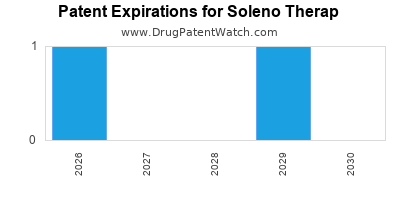
Soleno maintains an extensive portfolio of patents covering its delivery mechanisms, genetic engineering methods, and product formulations. This robust IP foundation deters potential competitors and provides leverage during licensing negotiations and strategic alliances.
Agility and Innovation Culture
Compared to incumbent pharmaceutical giants, Soleno's smaller size offers flexibility to innovate rapidly, adapt to scientific breakthroughs, and pivot strategic focus based on emerging data. Its lean organizational structure supports rapid decision-making and streamlined operations.
Strategic Insights and Opportunities
Product Development and Pipeline Advancement
Prioritizing clinical development pathways for lead candidates will be instrumental. Accelerating trials and securing early regulatory designations—such as Orphan Drug or Fast Track statuses—can expedite market entry and revenue generation.
Partnerships and Collaborations
Forming strategic alliances with larger pharmaceutical companies can fill gaps in commercialization, manufacturing, and distribution. Collaborations also enhance credibility and provide access to global markets, especially in regions with complex regulatory environments.
Investing in Regulatory Expertise
Navigating the evolving regulatory landscape for gene therapies requires specialized expertise. Building a strong regulatory affairs team can facilitate smoother approval processes and ensure compliance with global standards such as FDA, EMA, and PMDA.
Market Expansion via Orphan and Rare Disease Focus
The increasing emphasis on orphan drug development offers unique market opportunities. Soleno should leverage regulatory incentives and patient advocacy networks to accelerate adoption and build brand recognition in this high-value segment.
Technology Diversification and Innovation
Sustained investment in novel delivery platforms and gene editing technologies—such as CRISPR—can sustain competitive advantage. Additionally, exploring combination therapies across different disease areas can unlock new revenue streams and solidify its technological leadership.
Intellectual Property Strategy
Active portfolio management, including patent filings and IP litigation defense, will protect core innovations while enabling licensing opportunities that can generate additional revenue.
Competitive Challenges and Risks
Competition from Industry Giants
Major players like Novartis, Spark Therapeutics, and CRISPR Therapeutics possess extensive resources and established pipelines in gene therapy. They may attempt to acquire or partner with innovative firms like Soleno to embed novel technologies.
Regulatory and Manufacturing Barriers
Gene therapies often face complex manufacturing and regulatory hurdles. Delays, high costs, and varying global standards could impede pipeline progression and commercialization.
Market Adoption and Reimbursement
Despite high unmet need, payer acceptance and reimbursement for expensive gene therapies remain uncertain. Market access strategies must be integral to Soleno’s commercialization efforts.
Key Takeaways
- Positioning as a Niche Leader: Soleno Therap’s focus on rare genetic diseases positions it uniquely in a high-potential, yet competitive landscape dominated by larger players.
- Innovation as a Core Competency: Its proprietary delivery platforms and strong patent portfolio underpin its competitive advantages.
- Strategic Collaborations: Partnerships with larger pharmaceutical firms are crucial to accelerate clinical development and global market access.
- Regulatory Strategy: Proactive navigation of regulatory pathways will be vital to reduce time-to-market and secure early market presence.
- Market Expansion: Emphasizing orphan and rare disease drug development offers significant opportunities, aided by regulatory incentives and patient advocacy.
FAQs
Q1: How does Soleno Therap differentiate itself from other gene therapy companies?
Soleno’s proprietary nanoparticle delivery system and focus on rare diseases set it apart by enabling more precise targeting, improved safety profiles, and regulatory incentives, fostering faster clinical translation.
Q2: What are the primary growth drivers for Soleno Therap?
Key drivers include pipeline advancements leading to regulatory approvals, strategic industry partnerships, successful clinical trial outcomes, and expanding indications within the rare disease segment.
Q3: What challenges does Soleno face in market expansion?
Regulatory complexities, high manufacturing costs for gene therapies, payer reimbursement hurdles, and competition from established biotech firms pose significant obstacles.
Q4: How can Soleno enhance its market share in the next 5 years?
By accelerating pipeline validation, securing regulatory designations early, building global manufacturing capability, and forming strategic partnerships for commercialization.
Q5: What are the risks associated with Soleno’s reliance on innovative technologies?
Technological breakthroughs by competitors, potential safety issues in novel delivery platforms, and evolving regulatory standards could threaten its technological edge and approval timelines.
Conclusion
Soleno Therap stands at a pivotal juncture, leveraging proprietary innovation and a targeted pipeline to carve out a strategic foothold within the competitive biotech landscape. Its success hinges on advancing clinical programs efficiently, forging key industry alliances, and navigating regulatory pathways prudently. With focused execution, Soleno can capitalize on rising demand for personalized, rare disease therapies and establish itself among the industry’s emerging leaders.
References
- [1] Industry reports on gene therapy market trends and growth forecasts.
- [2] Company disclosures, SEC filings, and investor presentations.
- [3] Regulatory pathways and incentives for orphan drugs.
- [4] Patent filings and portfolio analysis.
- [5] Competitive landscape analyses from biotech industry reports.