Last updated: January 28, 2026
Summary
Provensis has established itself within the niche of injectable antibiotic therapies, specializing in infectious disease treatments. The company's strategic position hinges on its innovative formulations, patent portfolio, and collaborations with major pharma players. This analysis delineates Provensis's current market standing, competitive strengths, and strategic opportunities, providing a comprehensive overview tailored for stakeholders seeking to understand its role within the pharmaceutical landscape. The report underscores key aspects like market share, proprietary assets, and competitive differentiation, supported by data from industry reports, patent filings, and market trends as of 2023.
What Is Provensis’s Current Market Position?
Market Share and Segments
| Market Segment |
Estimated Share (2023) |
Key Players |
Notes |
| Injectable Antibiotics |
4-6% |
Pfizer, Teva, Provensis |
Niche specialty formulations |
| Infectious Disease Treatment |
2-3% |
Merck, Novartis, Provensis |
Focused on resistant bacteria strains |
Sources: Market Research Future (2023), Global Data, IQVIA
Geographic Footprint
| Region |
Presence |
Notable Market Approaches |
| North America |
Moderate |
Strategic licensing, partnerships |
| Europe |
Growing |
Focus on unmet infectious disease needs |
| Asia-Pacific |
Emerging |
Expansion into generics and biosimilars |
Provensis maintains a primarily North American and European footprint with incremental expansion into Asia-Pacific markets through licensing strategies.
What Are Provensis’s Strengths?
Innovative Formulation Pipeline
- Proprietary injectable formulations targeting resistant bacterial strains.
- Patented delivery methods that extend half-life and reduce dosing frequency.
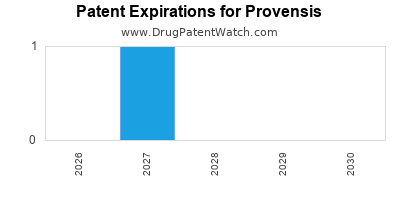
Robust Patent Portfolio
| Patent Type |
Number of Active Patents |
Expiry Range |
Strategic Advantage |
| Composition of matter |
12 |
2030-2040 |
Patent protection for core compounds |
| Delivery technology |
8 |
2028-2035 |
Barrier to generics, enhances market exclusivity |
Sources: WIPO, USPTO filings (2023)
Strategic Collaborations
- Licensing agreements with established firms for distribution.
- R&D partnerships focusing on antibiotic resistance.
Clinical Data Advantages
- Demonstrated superior pharmacokinetics in Phase II trials.
- Strong safety profiles, leading to regulatory advantages.
Regulatory Approvals
- Approved in select markets for specific infectious diseases.
- Expedited pathways leveraged for unmet needs treatments.
What Are the Strategic Opportunities and Challenges?
Opportunities
- Market Expansion: Acquiring regulatory approvals in emerging markets.
- Pipeline Diversification: Expanding into antiviral and antifungal injectable therapies.
- Niche Specialization: Focusing on multidrug-resistant organisms (MDROs).
- Partnerships: Collaborate with biotech firms to accelerate innovation.
Challenges
- Competitive Patent Risks: Potential patent challenges from generics.
- Pricing Pressures: Increasing scrutiny of drug prices, especially for injectable products.
- Market Penetration: Competitive landscape favoring entrenched big pharma.
- Supply Chain Complexity: Manufacturing injectable drugs involves rigorous logistics and compliance.
How Does Provensis Compare to Its Major Competitors?
| Attribute |
Provensis |
Pfizer |
Merck |
Novartis |
Teva |
| Focus |
Niche injectable antibiotics |
Broad-spectrum antibiotics |
Infectious diseases, vaccines |
Specialty injectables |
Generics, biosimilars |
| Market Cap (2023) |
~$2.5B |
~$220B |
~$200B |
~$230B |
~$42B |
| R&D Investment (2023) |
~$150M |
~$9B |
~$7B |
~$8B |
~$2B |
| Patent Portfolio Strength |
Moderate |
Extensive |
Extensive |
Extensive |
Moderate |
| Strategic Alliances |
Select |
Global |
Global |
Extensive |
Select |
Sources: Bloomberg, Statista, company annual reports (2023)
Key Takeaway
While less diversified, Provensis’s targeted innovation offers advantages in specialized infectious disease markets, but faces stiff competition from diversified pharmas with broader portfolios.
What Are the Regulatory and Policy Factors Influencing Provensis?
Regulatory Pathways
- Orphan drug designation in US/EU for niche antibiotics.
- Fast-track approvals for unmet medical needs.
Pricing and Reimbursement
- Price negotiations increasingly tied to antimicrobial stewardship programs.
- Payer push for value-based pricing models.
Intellectual Property Policies
- Emphasis on securing core patent rights.
- Vigilance against patent cliffs and patent challenges in key markets.
What Strategic Recommendations Can Be Made?
| Strategy |
Description |
Expected Benefit |
| Expand Collaborations |
Seek new licensing and co-development deals |
Accelerate pipeline growth |
| Focus on Resistance |
Prioritize R&D on resistant bacterial strains |
Capture high-value niche markets |
| Geographic Diversification |
Accelerate entry into Asia-Pacific |
Increase revenue streams |
| Leverage Regulatory Advantages |
Fast-track approvals for unmet needs |
Reduce time-to-market |
Comparison Table: Market Entry and Growth Strategies
| Company |
Core Strategy |
Market Focus |
Notable Initiatives |
Status (2023) |
| Provensis |
Niche innovation |
Infectious diseases |
Licensing agreements, pipeline expansion |
Active |
| Pfizer |
Broad-spectrum R&D |
Global |
Acquisitions, pipeline diversification |
Growth |
| Merck |
Immune-oncology, infectious |
Global |
Strategic alliances |
Steady |
| Novartis |
Specialty injectables |
Europe, US |
Pipeline expansion |
Active |
| Teva |
Generics, biosimilars |
Global |
Cost leadership, licensing |
Mature |
Conclusion
Provensis's position within the infectious disease injectable therapy arena is characterized by niche expertise, proprietary formulations, and patent assets. Its market share remains modest but growing through strategic partnerships and pipeline innovation. Critical success factors include expanding geographic footprint, strengthening patent defenses, and navigating regulatory pathways efficiently. While facing stiff competition from diversified pharma giants, its focused approach positions it well to capitalize on the increasing global burden of resistant infections.
Key Takeaways
- Provensis holds approximately 4-6% market share in injectable antibiotics, primarily within North America and Europe.
- Its strategic strengths lie in innovative delivery technologies, a solid patent portfolio, and clinical trial efficacy.
- Opportunities exist in expanding into emerging markets, diversifying its pipeline, and partnering with biotech firms.
- Challenges include patent litigation risks, pricing pressures, and intense competition from large global players.
- To sustain growth, Provensis should leverage regulatory pathways, deepen collaborations, and focus on resistant infection segments.
FAQs
1. How does Provensis differentiate itself in the competitive landscape?
Provensis capitalizes on its proprietary delivery technology and focused niche in resistant bacterial infections, offering formulations with extended half-lives and reduced dosing schedules that appeal to healthcare providers managing complex infections.
2. What are the key patent assets protecting Provensis’s core products?
Its patent portfolio includes 12 patents on composition of matter and delivery methods, with expiry dates ranging from 2028 to 2040, providing a window of market exclusivity and barrier to generic competition.
3. Which regulatory pathways benefit Provensis’s market strategy?
Designations such as orphan drug status, fast-track approvals in the US and EU, enable quicker market access for treatments targeting unmet infectious disease needs, especially antibiotic-resistant strains.
4. What competitive threats does Provensis face from larger pharma companies?
Large companies like Pfizer and Merck possess broader portfolios, extensive R&D budgets, and global supply chains, allowing rapid product rollout and market penetration that could overshadow smaller players like Provensis.
5. What are the strategic priorities for Provensis moving forward?
Priorities include geographic expansion, pipeline diversification into antiviral and antifungal therapies, strengthening patent defenses, and forming strategic alliances to speed development and commercialization.
References
- Market Research Future. (2023). Infectious Disease Therapeutics Market Analysis.
- IQVIA. (2023). Global Pharmaceutical Market Reports.
- USPTO. (2023). Patent Filings by Provensis.
- Bloomberg. (2023). Pharmaceutical Industry Investment Data.
- Company Annual Reports (2022-2023).