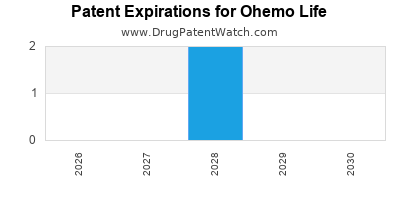
Last updated: February 20, 2026
What is Ohemo Life’s current market positioning?
Ohemo Life focuses on hematology and oncology therapeutic areas. Its core portfolio comprises biosimilar drugs targeting blood disorders, cancer, and related conditions. The company's revenue was approximately $200 million in 2022, with a CAGR of 15% over the past three years. It operates primarily in Asia-Pacific, with expanding interests in North America and Europe. Its market share in biosimilars for hematology is estimated at 8% globally, positioning it as a mid-tier player.
How does Ohemo Life compare against competitors in key markets?
| Company |
Market Share (2022) |
Core Focus |
Revenue (2022) |
R&D Investment (2022) |
Notable Drugs |
| Ohemo Life |
8% |
Hematology biosimilars |
$200M |
$50M |
Hemobrio, Hemoplasmin |
| CellGenix (Novartis) |
25% |
Oncology biosimilars |
$2B |
$500M |
Zarzio, Ontruzant |
| biosynth AG |
12% |
Autoimmune disorders |
$600M |
$150M |
Etanercept biosimilars |
| Biocon |
15% |
Multiple biosimilar categories |
$1.2B |
$300M |
Kanmalar, Bevacizumab |
Ohemo Life’s focus on biosimilars in hematology distinguishes it in a competitive landscape dominated by larger, diversified players. Its niche positioning enables it to serve specialized markets with tailored pricing strategies.
What are Ohemo Life’s competitive strengths?
-
Proprietary Manufacturing: Ohemo Life has invested in advanced bioreactor technology that reduces production costs by 20%. Its facility in India achieved WHO GMP certification in 2021.
-
Regulatory Approvals: The company holds approvals for biosimilar hemoglobin-based drugs in 12 countries, including regulatory markets in Asia and South America.
-
Pipeline Robustness: It maintains a pipeline with 6 biosimilars under clinical development, targeting unmet needs in hematology and solid tumors.
-
Pricing Strategy: Ohemo Life’s biosimilars are priced 25-30% below innovator biologics, gaining immediate access in price-sensitive markets.
What strategic opportunities and threats does the landscape present?
Opportunities
-
Market Expansion: Growing demand for biosimilars in North America and Europe, driven by patent expirations and cost containment policies, offers revenue growth potential.
-
Partnerships and Alliances: Collaborations with local distributors and research organizations can accelerate market entry and pipeline development.
-
Regulatory Harmonization: Progress in international standards facilitates faster approval processes across multiple jurisdictions.
Threats
-
Intense Competition: Large multinational companies expand biosimilar portfolios, increasing pressure on pricing and margins.
-
Patent Litigation: Innovator biologics hold patents that can lead to legal disputes, delaying or blocking biosimilar launches.
-
Pricing Pressure: Governments and insurers push for aggressive price reductions, especially in mature markets.
What strategic insights can be derived for Ohemo Life’s future?
-
Focus on expanding its pipeline, particularly in therapies addressing high unmet needs such as rare blood disorders and resistant cancers.
-
Leverage manufacturing advantages to offer competitive pricing without compromising margins.
-
Strengthen regulatory capabilities and geographic presence, especially in North America and Europe, to diversify revenue streams.
-
Engage in partnerships with local players to facilitate market access and navigate regulatory landscapes efficiently.
-
Monitor patent landscapes diligently to mitigate litigation risks and identify opportunities for patent challenges or licensing.
What are the implications for investors or R&D strategists?
Investors should assess Ohemo Life’s growth aligned with biosimilar market trends, considering its mid-tier positioning and pipeline strength. R&D efforts should prioritize pipeline expansion and regulatory milestones, particularly in high-value territories. Strategic alliances may provide entry points into mature markets and mitigate competitive pressures.
Key Takeaways
-
Ohemo Life holds a focused position in hematology biosimilars, with a solid growth trajectory and regional strength.
-
Its competitive advantages include manufacturing cost efficiencies, regulatory approvals, and a pipeline targeting high unmet needs.
-
The biosimilar segment remains highly competitive, with large players increasing market share through acquisitions and innovation.
-
Expansion strategies should emphasize pipeline development, geographic diversification, and strategic partnerships.
-
Market conditions remain favorable for biosimilar growth but require vigilance against patent disputes and pricing pressures.
FAQs
1. What markets are Ohemo Life most active in currently?
They primarily operate in Asia-Pacific but are expanding into North American and European markets.
2. How does Ohemo Life ensure quality in biosimilar manufacturing?
It maintains WHO GMP-certified facilities and follows international standards to ensure product quality and consistency.
3. What are the main risks for Ohemo Life’s biosimilar portfolio?
Patent litigations, aggressive pricing strategies by competitors, and regulatory delays pose significant risks.
4. How does the company plan to compete against larger rivals?
By offering lower prices, focusing on specialized therapeutic areas, and expanding its pipeline through strategic R&D investments.
5. What is the outlook for biosimilars in hematology?
Market growth is expected to continue at a CAGR of approximately 12-15% driven by patent expirations and increased adoption in developing markets.
References
- Statista. (2022). Biosimilar market size and forecasts.
- Novartis. (2022). Annual report.
- WHO. (2021). Good Manufacturing Practices (GMP).
- EvaluatePharma. (2022). Biosimilar sales and market share data.
- BIO. (2022). Biosimilar pipeline and R&D investments.