Last updated: July 28, 2025
Introduction
La Jolla Pharma (NASDAQ: LJPC) occupies a distinctive niche within the pharmaceutical industry, focusing predominantly on developing therapies for severe hematologic and rare diseases. As the landscape becomes increasingly competitive with innovations from biotech and global pharma giants, understanding La Jolla Pharma’s market position, core strengths, and strategic trajectory is vital for stakeholders aiming to navigate its future prospects effectively. This analysis offers an in-depth view into La Jolla Pharma’s competitive stance, strategic initiatives, and associated market dynamics, equipping investors, collaborators, and industry analysts with actionable insights.
Market Position of La Jolla Pharma
Operational Focus and Therapeutic Portfolio
La Jolla Pharma specializes in developing medicines targeting life-threatening conditions linked to hemolytic anemia, thrombotic disorders, and immune-mediated diseases. Its flagship product, Rebloz (sharply focusing on complement-mediated diseases), emphasizes its dedication to rare hematologic conditions such as atypical hemolytic uremic syndrome (aHUS). The company’s portfolio strategy is characterized by a targeted approach, with a strong emphasis on orphan drug development.
Market Penetration and Commercial Footprint
Despite its niche focus, La Jolla Pharma faces considerable competition from both small biotech firms and major pharmaceutical companies with broader pipelines in hematology and immunology. Its commercial footprint remains modest, primarily operating within specialized markets where its therapies address unmet needs. The company’s strategic alliances and licensing deals, such as collaborations with other biotech entities and academic institutions, bolster its market presence.
Competitive Advantages in Niche Markets
La Jolla’s emphasis on rare and ultra-rare diseases grants it specialized expertise and less direct competition. Its focus on complement pathway modulation positions it uniquely within hematology, where emerging therapies for complement inhibition—like those from Apellis Pharmaceuticals or Alexion (an AstraZeneca company)—are gaining momentum. This strategic positioning as a focused specialist allows La Jolla Pharma to concentrate resources and R&D investments effectively.
Core Strengths of La Jolla Pharma
Innovative Therapeutic Approach
La Jolla Pharma distinguishes itself through its proprietary understanding of complement biology and immune modulation. The development of novel agents targeting disease-specific pathways demonstrates a robust R&D foundation, anchored in translational science and clinical validation. Its lead candidate, Rebloz, exemplifies this innovation, showing promising efficacy in targeting complement-mediated disease processes.
Strong Intellectual Property Portfolio
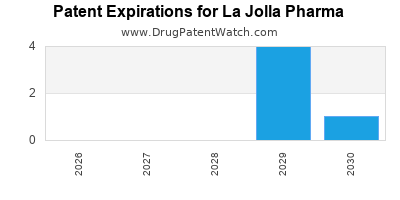
The company maintains a robust patent estate, protecting its novel molecules and therapeutic methods. This intellectual property position creates barriers to entry and sustains competitive advantage, especially crucial in the highly regulated and R&D-intensive pharmaceutical landscape.
Strategic Collaborations and Licensing Agreements
Partnerships with academic institutions and biotech firms facilitate access to cutting-edge science and expand La Jolla Pharma’s therapeutic pipeline. For instance, collaborations aimed at developing next-generation complement inhibitors or expanding indications enhance future growth prospects.
Expertise in Rare Disease Markets
La Jolla Pharma’s team comprises specialists with deep experience in hematology, immunology, and rare diseases. This expertise guides clinical development strategies, regulatory navigation, and market access preparations, bolstering its position as a leader in personalized medicine for rare conditions.
Regulatory and Clinical Milestones
The company’s ability to reach key clinical milestones, gain Orphan Drug Designations, and secure Fast Track or Breakthrough Therapy indications enhances its attractiveness for investors and partners. Regulatory validation of its candidates lays the groundwork for commercialization and revenue generation.
Strategic Insights and Future Outlook
Pipeline Development and Innovation
La Jolla Pharma’s pipeline primarily focuses on complement-mediated disorders, harnessing biological insights into the complement cascade. Expanding indications—from hematologic to dermatology and neurology—could diversify its revenue streams. Prioritizing progression through clinical phases for candidates like LJPC-401 (a complement inhibitor) will be critical.
Market Expansion Opportunities
While initially targeting ultra-rare diseases, scaling to broader indications could unlock new market opportunities. Collaborating with larger pharma entities capable of penetrating mainstream markets would accelerate this expansion. Clinical validation across diverse patient populations remains the strategic avenue for growth.
Partnerships and Business Development
Proactive licensing deals and collaborations with industry leaders can augment La Jolla Pharma’s capabilities, reduce R&D costs, and accelerate time-to-market. The company’s strategic positioning as an innovation-driven firm makes it an attractive partner for market co-development or co-commercialization.
Operational and Financial Strategies
Pending successful clinical results and potential commercialization milestones, La Jolla Pharma may consider strategic financings or equity offerings to fund pipeline advancement. Its financial health and cash runway are crucial metrics to monitor, especially given the capital-intensive nature of biotechnology R&D.
Competitive Dynamics and Threats
La Jolla Pharma faces mounting competition from companies developing complement system inhibitors, including Alexion/AstraZeneca, Apellis, and emerging biotech startups. Rapid technological advances, regulatory hurdles, and pricing pressures require continuous innovation and strategic agility.
Regulatory Landscape
Navigating complex regulatory pathways remains pivotal. The company’s experience with Orphan Drug Designations facilitates market exclusivity but also demands precise compliance and post-marketing commitments. Future approvals depend heavily on rigorous clinical data and stakeholder engagement.
Conclusion
La Jolla Pharma’s competitive landscape positions it as a nimble, science-focused entity within the rare hematologic disease domain. Its strengths in innovation, intellectual property, and strategic collaborations provide a solid foundation—yet challenges from larger players, evolving regulations, and market dynamics necessitate proactive strategic planning. Focused development, pipeline expansion, and partnerships will be crucial in translating its scientific breakthroughs into sustainable market success.
Key Takeaways
- La Jolla Pharma operates in a highly specialized niche, emphasizing complement-mediated rare diseases, which limits competition but also constrains market size.
- Its core strengths include innovative science, a strong patent portfolio, and strategic collaborations that advance its pipeline.
- The company’s growth hinges on successful clinical milestones, regulatory approvals, and potential expansion into broader indications.
- Strategic alliances with larger pharma firms can enable market expansion and accelerate commercialization efforts.
- Continuous innovation, vigilant competitive analysis, and adaptability to regulatory changes are vital for maintaining its market position.
FAQs
1. What are La Jolla Pharma’s main therapeutic areas?
La Jolla Pharma primarily targets rare hematologic and immune-mediated diseases, focusing on complement pathway modulation to treat conditions like aHUS and other complement-mediated disorders.
2. How does La Jolla Pharma differentiate itself from competitors?
Its focus on rare, ultra-rare diseases, proprietary science in complement biology, and a robust patent portfolio establish its unique market position. The company’s targeted development and clinical expertise further reinforce its differentiation.
3. What is the potential market size for La Jolla Pharma’s flagship products?
Market size is limited but highly specialized, centered on ultra-rare diseases with significant unmet needs. While small in volume, these markets offer high-value opportunities due to premium pricing and orphan-drug incentives.
4. What are the key risks facing La Jolla Pharma?
Major risks include clinical failure, regulatory delays, competition from larger biotech and pharma companies, pricing pressures, and challenges in expanding indications or scaling commercialization.
5. What strategic moves should La Jolla Pharma consider for future growth?
The company should focus on pipeline progression, pursue new indications through clinical development, deepen partnerships with industry leaders, and explore innovative payment and reimbursement strategies to maximize market access.
Sources
- La Jolla Pharma FY2022 Annual Report
- Market analysis reports on complement system inhibitors (e.g., EvaluatePharma, 2022)
- Industry insights from Biotech Trends and Hematology Therapeutics (2022–2023)