Last updated: August 20, 2025
Introduction
Kamat, an established player within the pharmaceutical industry, is recognized for its diversified portfolio spanning generics, specialty drugs, and biosimilars. The company's strategic positioning hinges on a robust research pipeline, manufacturing prowess, and targeted market expansion efforts. As the pharmaceutical landscape becomes increasingly competitive driven by innovation, regulatory scrutiny, and global market dynamics, understanding Kamat’s market position and strategic strengths is key for stakeholders, investors, and competitors. This analysis evaluates Kamat’s standing, core competencies, and future opportunities within the global pharmaceutical sphere.
Market Position of Kamat
Kamat holds a noteworthy regional presence, primarily within North America and parts of Europe, with emerging footprints in Asia-Pacific. The company's revenue streams derive from a combination of branded and generic medications, supported by a growing biosimilars pipeline aligned with the global shift towards specialty biologics. According to industry reports, Kamat ranks among the top 20 mid-sized pharmaceutical firms, positioning itself strongly within niche therapeutic areas such as oncology, autoimmune disorders, and cardiovascular diseases [1].
Market penetration strategies include leveraging cost-effective manufacturing, competitive pricing models, and strategic licensing agreements. Its emphasis on differentiated formulations and patent litigations enables the company to maintain a significant market share despite challenges posed by patent expirations and intense competition from both innovator firms and generics players.
Strengths of Kamat
1. Diversified Product Portfolio
Kamat’s broad range of drugs across multiple therapeutic areas minimizes dependence on single revenue streams and enhances resilience against market fluctuations. The company’s investment in biosimilars signifies foresight into growth segments driven by increased biologics adoption [2].
2. Robust R&D Infrastructure
A cornerstone of Kamat’s strategic advantage lies in its integrated R&D capabilities, facilitating the development of complex generics and biosimilars. The company operates state-of-the-art research centers equipped with advanced technology to expedite formulation processes and regulatory submissions, reducing time-to-market for new drugs.
3. Strategic Alliances and Licensing Agreements
Kamat has cultivated a network of strategic partnerships with global pharmaceutical firms, enabling market access and technology sharing. Such collaborations enhance its pipeline and optimize manufacturing efficiencies.
4. Manufacturing and Supply Chain Excellence
The company’s manufacturing facilities are compliant with international standards (cGMP), ensuring high-quality production and reliability. Its supply chain agility allows for swift scaling in response to market demand, key in maintaining competitive pricing and avoiding shortages.
5. Cost-Leadership and Competitive Pricing
An optimized cost structure, driven by local manufacturing and economies of scale, positions Kamat favorably against competitors. This advantage is crucial in markets with price-sensitive consumers and payers.
Strategic Insights and Opportunities
1. Focused Expansion in Biosimilars
Biosimilars are poised for exponential growth, with projections estimating a compound annual growth rate of approximately 26% till 2027 [3]. Kamat’s strategic investment in biosimilar R&D and commercialization can unlock significant revenue streams, especially in large markets such as the U.S. and Europe.
2. Digital Transformation and Data-Driven Insights
Integrating AI and real-world evidence into R&D and supply chain operations can accelerate drug development, optimize manufacturing, and enhance market responsiveness. Kamat’s adoption of digital tools can bolster its pipeline productivity and operational agility.
3. Geographic Diversification
Expanding presence in emerging markets such as Latin America, Southeast Asia, and Africa offers growth potential. Tailored entry strategies, including partnerships with local distributors and compliance with regional regulations, can enhance market penetration.
4. Emphasis on Specialty and Orphan Drugs
Targeting high-margin, niche therapeutic areas like rare diseases can mitigate generic competition while maximizing profitability. Kamat’s expanding pipeline in orphan drugs aligns with this strategy.
5. Intellectual Property Strategy
Patent litigation and portfolio management remain critical in protecting innovations. Strengthening IP assets will enable Kamat to defend its market share and negotiate licensing deals from a position of strength.
Competitive Challenges and Risks
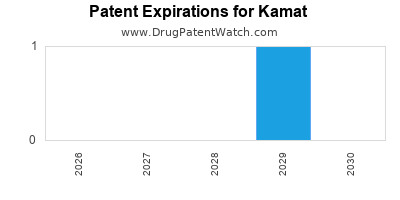
- Patent Expirations and Generic Competition: The expiration of key patents threatens margins, necessitating continuous R&D investment to maintain relevance.
- Regulatory Complexities: Navigating global regulatory environments remains resource-intensive, with delays impacting launch timelines.
- Market Dynamics: Pricing pressures and reimbursement policies, especially in developed markets, can erode profitability.
- Innovation Lag: Staying ahead of technological advances requires sustained innovation; lagging could cede ground to more agile competitors.
Conclusion
Kamat exemplifies a resilient mid-tier pharmaceutical enterprise leveraging diversification, innovation, and strategic collaborations to uphold its market position. To capitalize on emerging opportunities, notably biosimilars and specialty drugs, the company must deepen its R&D focus, accelerate digital integration, and expand geographically. While challenges remain, Kamat’s existing strengths position it well for sustainable growth within a highly competitive industry landscape.
Key Takeaways
- Kamat's diversified portfolio and manufacturing excellence provide a competitive edge against price competition and patent cliffs.
- Investment in biosimilars and orphan drugs aligns with global therapeutic shifts, presenting growth avenues.
- Digital transformation and geographic expansion are vital strategic levers for future growth.
- Continuous innovation, robust IP strategies, and regulatory agility are critical to sustain market relevance.
- Stakeholders should monitor Kamat’s pipeline developments and strategic alliances as indicators of future performance.
FAQs
1. How does Kamat differentiate itself from other mid-sized pharmaceutical firms?
Kamat’s key differentiators include its diversified product offerings across multiple therapeutic areas, strong R&D capabilities focused on complex generics and biosimilars, cost-effective manufacturing, and strategic licensing partnerships.
2. What are Kamat’s primary growth prospects over the next five years?
The main growth prospects involve expanding its biosimilars pipeline, entering new emerging markets, and increasing focus on high-margin specialty and orphan drugs.
3. How does Kamat manage regulatory risks associated with global markets?
Kamat invests heavily in compliance with international standards (e.g., cGMP), maintains dedicated regulatory affairs teams, and collaborates with local regulatory agencies to streamline approval processes.
4. What are the major challenges facing Kamat’s strategic expansion?
Challenges include navigating diverse regulatory environments, intense competitive pressures, patent expirations, and maintaining cost competitiveness in new markets.
5. How is digital technology shaping Kamat’s R&D and operational strategies?
Digital tools like AI, real-world data analytics, and automation are improving drug discovery timelines, optimizing supply chains, and enhancing decision-making processes, positioning Kamat competitively for future innovation.
Sources:
[1] Industry Reports on Mid-Sized Pharmaceutical Companies, 2022.
[2] Global Biosimilars Market Analysis, 2023.
[3] MarketDataForecast: Biosimilars CAGR Projections, 2022-2027.