Last updated: July 27, 2025
Introduction
Helsinn Group, a Swiss pharmaceutical company founded in 1976, has established itself as a notable player within the niche oncology, supportive care, and rare disease segments. Known for its focus on hospital and niche markets, Helsinn's strategic positioning hinges on developing specialized therapies that address unmet medical needs. This report analyzes Helsinn’s market position, core strengths, competitive landscape, and strategic prospects to inform investment and partnership decisions for stakeholders navigating the evolving pharmaceutical environment.
Market Position and Business Focus
Helsinn primarily operates within three segments: supportive care in oncology, rare diseases, and hospital-based therapeutics. Its portfolio includes products for chemotherapy-induced nausea and vomiting (CINV), pain management, and supportive care, with a prominent flagship product being ACALDYN® (Acalabrutinib) in its pipeline.
The company's globalization strategy emphasizes markets with high unmet needs such as Europe, North America, and select emerging markets, leveraging its well-established distribution channels and familiarity among healthcare providers. Helsinn has maintained a focused product portfolio, prioritizing niche indications where patent protection and market exclusivity are more readily achievable, allowing for sustainable revenue streams.
Market Position and Competitive Dynamics
Niche Focus Advantage
Unlike major pharma companies which chase blockbuster drugs, Helsinn’s concentrated approach allows it to excel within specialized sectors. It benefits from a strong foothold in hospital settings, where it supplies supportive care therapies—products that tend to have higher pricing power and less price erosion due to limited competition.
Competitive landscape
Helsinn operates amid a competitive environment dominated by large global players like GlaxoSmithKline, Roche, and Novartis, especially for supportive care products. However, Helsinn’s emphasis on niche indications reduces direct competition for many of its therapies, though it faces challenges from generic manufacturers once patents expire.
Pipeline and Innovation
The company’s R&D efforts focus on expanding its pipeline in oncology — notably a novel Bruton's tyrosine kinase (BTK) inhibitor, ACALDYN®. This strategy aims to transition from supportive care to targeted oncology therapies, positioning Helsinn as a broader player in cancer treatment. Nonetheless, the pipeline is still in development, and competition in new oncology drugs remains fierce.
Core Strengths
-
Specialized Portfolio
Helsinn’s core strength lies in its focused product offerings for supportive care and rare diseases, sectors characterized by high clinical unmet needs and limited competition, facilitating premium pricing and high margins.
-
Hospital Market Penetration
A strong presence in hospital channels, especially in Europe, affords it access to high-touch customer segments and fosters closer relationships with healthcare professionals, ensuring loyalty and continued product adoption.
-
Strategic Collaborations and Licensing
Helsinn has effectively partnered with biotech and larger pharma firms for co-development and commercialization of promising assets, diversifying its revenue base and expanding its reach.
-
Robust Regulatory Engagement
Significant experience in navigating complex regulatory landscapes—particularly in Europe and North America—accelerates approval timelines for new indications and formulations.
-
Financial Discipline
Helsinn maintains a lean operational model with a focus on profitability within niche markets, enabling sustained R&D investments without over-leverage.
Strategic Insights and Opportunities
Diversification into Oncology and Beyond
Helsinn’s move into targeted therapies, exemplified by the development of ACALDYN® (acalabrutinib), signals its strategic intent to broaden its oncology footprint. The firm’s ability to deliver on this pipeline could position it as a significant competitor in niche oncology indications, especially in hematologic malignancies.
Partnership and Licensing Expansion
Expanding collaborations with biotech and larger pharma companies could accelerate product development timelines, uplevel competitive positioning, and facilitate entry into global markets. Strategic licensing for promising orphan and rare disease therapies offers additional pathways for growth.
Geographical Expansion
Emerging markets offer growth avenues due to increasing healthcare infrastructure and demand for specialized therapies. Helsinn’s local partnerships and regulatory expertise can facilitate successful market entry, especially in Asia and Latin America.
Digital Transformation and Data Utilization
Investing in digital health, real-world evidence, and data analytics can enhance clinical development efficiency and optimize market access strategies, particularly in precision medicine.
Risk Management
Increased competition from generics post-patent expiry, pricing pressures in mature markets, and regulatory challenges in expanding indications necessitate vigilant portfolio management and innovation-driven renewal.
Challenges and Threats
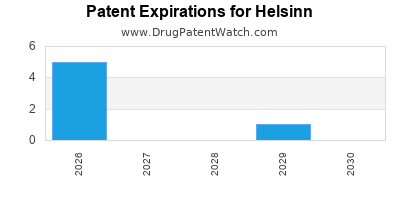
- Patent Cliff Risks: Many of Helsinn’s core products face impending patent expiration, risking revenue erosion and generic competition.
- Intense Competition: Major pharma entrants with larger R&D budgets threaten Helsinn’s niche dominance, especially as it ventures into competitive oncology spaces.
- Regulatory Uncertainties: Navigating differing regulatory environments for new indications and novel drugs remains complex, with potential delays impacting commercial timelines.
- Market Access and Reimbursement Dynamics: Payer pressures in Europe and North America could challenge pricing models and limit market penetration.
Future Outlook
Helsinn’s strategic pivot towards oncology via innovative pipeline assets can potentially diversify收入 streams and foster sustainable growth. Its entrenched hospital presence and focus on niche indications provide a stable platform amid increasing competition. Nevertheless, execution risks in pipeline development, regulatory approval, and market expansion will be critical determinants of future success.
Key Takeaways
- Helsinn’s focus on niche supportive care and rare diseases secures stable revenue streams and protects margins.
- The company’s strategic expansion into targeted oncology, exemplified by ACALDYN®, signals a pivotal growth transition.
- Strategic collaborations and licensing are critical to expanding pipeline breadth and global footprint.
- Market risks include patent expiries, competitive pressures, and regulatory complexities, necessitating proactive portfolio management.
- Embracing digital health and real-world evidence offers differentiation in development and market access strategies.
FAQs
1. What distinguishes Helsinn from its competitors?
Helsinn’s specialization in niche supportive care and rare diseases, along with its entrenched hospital market presence, offers a competitive advantage over larger, less-focused pharmaceutical firms.
2. How is Helsinn’s pipeline shaping its future?
Its pipeline, notably the BTK inhibitor ACALDYN®, aims to move the company beyond supportive care into targeted oncology, potentially unlocking new revenue streams and market opportunities.
3. What are the main risks for Helsinn’s market position?
Patent expiries, escalating competition in existing segments, regulatory hurdles for new indications, and pricing pressures pose significant challenges.
4. How can Helsinn capitalize on emerging markets?
By leveraging local partnerships, regulatory know-how, and tailored market strategies, Helsinn can expand its reach into high-growth regions such as Asia and Latin America.
5. What strategic moves should Helsinn prioritize?
Enhancing pipeline development, expanding partnerships, investing in digital health, and maintaining operational efficiency will be crucial for sustained growth.
References
- Helsinn Group Official Website. (2023). Company Overview.
- IQVIA Institute. (2022). The Global Oncology Market Review.
- EvaluatePharma. (2022). Oncology Market Trends.
- Scrip Intelligence. (2022). Supportive Care Market Dynamics.
- Pharma & Healthcare News. (2023). Strategic Collaborations in Pharma.