Last updated: July 29, 2025
Introduction
Collegium Pharm Inc. has emerged as a significant player within the pharmaceutical sector, specializing in the development, manufacturing, and commercialization of innovative drug therapies. Operating in a highly competitive landscape characterized by rapid innovation, regulatory complexities, and shifting market dynamics, Collegium’s strategic positioning warrants comprehensive analysis. This article evaluates Collegium Pharm Inc.’s current market position, core strengths, and strategic initiatives, providing actionable insights for stakeholders and industry observers.
Company Overview and Market Position
Founded in 2013, Collegium Pharm Inc. swiftly established a foothold in the specialty pharmaceuticals market. The company's core focus lies in developing controlled-release formulations, priority drug delivery systems, and complex generics. Its portfolio includes products targeting nervous system disorders, pain management, and neurology, with notable products such as Xyrem (sodium oxybate) and Epidiolex, under licensing agreements and strategic partnerships.
Collegium’s market position is characterized by a blend of innovative drug platforms and strategic licensing agreements with major pharmaceutical companies. The company leverages a niche focus on CNS (central nervous system) disorders and controlled substances, differentiating itself in segments often dominated by larger players. Recent financial reports position Collegium as a profitable entity with consistent revenue streams, driven largely by its flagship products and strategic acquisitions.
In terms of revenue, Collegium ranks among mid-tier specialty pharmaceutical firms, with its market capitalization reflecting a valuation aligned with its product pipeline's growth potential. Its geographic footprint extends primarily within North America, with plans to expand into international markets, aligning with trends observed among specialty pharma firms seeking diversified revenue streams [1].
Market Dynamics and Competitive Landscape
The pharmaceutical industry’s competitive landscape is notably intense, driven by innovation, patent expirations, regulatory hurdles, and payer dynamics. Collegium operates within this milieu, competing with both established multinationals—such as AbbVie, Johnson & Johnson, and Teva—and emerging biotech firms.
Key factors influencing Collegium’s competitive positioning include:
-
Patent Portfolios & Exclusivity: Collegium’s core products, such as Xyrem, benefit from patent protections and Orphan Drug Designations, affording market exclusivity and reducing competitive pressure in the short to medium term [2].
-
Regulatory Environment: Navigating FDA and equivalent bodies’ regulatory pathways remains essential. Collegium’s experience in securing approvals for complex generics and controlled substances enhances its capacity to bring products to market rapidly.
-
Market Penetration & Pricing Strategies: Collegium’s focus on high-value CNS therapies allows premium pricing, although competitive pressures and scrutiny over drug pricing continue to pose challenges.
-
Pipeline Development: The company's ongoing R&D efforts aim to diversify its portfolio, including novel formulations addressing unmet medical needs. The strength of its pipeline will determine future competitive advantage.
Major competitors are ramping up efforts in similar segments, deploying investment in biosimilars, new delivery systems, and advanced therapeutics. The emergence of biosimilars, especially in neurology and pain management, represents both a threat and an opportunity for Collegium to innovate and capture new market segments [3].
Strengths of Collegium Pharm Inc.
1. Niche Focus on CNS and Controlled Substances
Collegium’s concentrated expertise in CNS disorders and controlled-release formulations distinguishes it in a segment with high barriers to entry. Its specialization enables tailored R&D, regulatory navigation, and market access strategies.
2. Strategic Licensing and Partnerships
The company has entered lucrative licensing agreements, notably with Jazz Pharmaceuticals for Xyrem and other CNS medications, providing revenue stability and market credibility without heavy capital expenditure [4].
3. Robust Product Portfolio
Its portfolio includes several high-demand products with patent protections, insuring revenue streams and creating barriers for competitors. The inclusion of cannabinoid-based medications such as Epidiolex positions it within the rapidly evolving medical cannabis space.
4. Focused R&D Capabilities
Investments in controlled-release technology and complex generics foster innovation. This allows Collegium to develop unique formulations that provide differentiation from generic competitors and meet specialized therapeutic needs.
5. Quality and Regulatory Excellence
Collegium's proven track record of complying with stringent regulatory standards bolsters its reputation and facilitates market access across different jurisdictions. This strength supports fast-track approval pathways for new products [5].
Strategic Insights & Recommendations
1. Accelerate Pipeline Diversification
While Collegium benefits from current blockbuster products, diversifying into adjacent therapeutic areas, such as neurodegenerative diseases or pain management, is vital to sustain growth amid patent expirations and market saturation.
2. Expand International Footprint
Global expansion, especially into Europe and Asia, can unlock new revenue streams. Regulatory strategies should align with local agencies’ requirements, leveraging the company’s expertise in complex formulations.
3. Invest in Biotech Collaborations
Forming strategic alliances with biotech firms can augment Collegium’s R&D capacity, facilitate access to innovative platforms like biosimilars and gene therapies, and mitigate development risks.
4. Leverage Digital Health & Data Analytics
Incorporating digital health tools for patient adherence and outcome tracking, combined with AI-driven R&D, offers opportunities to enhance product efficacy and streamline development processes.
5. Monitor Regulatory and Policy Changes
Changes in drug pricing policies, especially those targeting controlled substances, could significantly impact Collegium’s revenue model. Proactive engagement with policymakers ensures company interests are well-represented.
Challenges & Risks
-
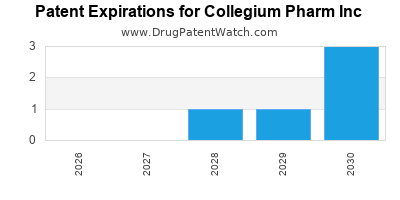
Patent Expirations and Generic Competition: The expiration of key patents could erode market share unless offset by new product launches.
-
Regulatory Hurdles: Delay or denial of approvals, especially in international markets, could hamper growth.
-
Pricing Pressure: Increasing scrutiny over drug prices, especially in the US, may impact profit margins.
-
Supply Chain Disruptions: As seen globally, supply chain issues could impact manufacturing and delivery timelines.
-
Legal and Compliance Risks: Given the company's involvement in controlled substances, strict adherence to legal and regulatory standards remains crucial.
Conclusion
Collegium Pharm Inc. presents a compelling case as a specialized, innovative player within the pharmaceutical landscape. Its strengths stem from a focused expertise in CNS and controlled substances, strategic licensing advantages, and a robust product pipeline. To sustain growth, the company must pursue global expansion, pipeline diversification, and technological innovation, all while navigating evolving regulatory and market challenges. Stakeholders should view Collegium’s strategic trajectory as one positioned for measured growth, supported by its differentiated capabilities in complex pharmaceuticals.
Key Takeaways
- Collegium’s niche focus on CNS disorders and controlled-release formulations provides a competitive advantage in a high-entry barrier segment.
- Strategic licensing agreements with major pharma entities underpin revenue stability and market credibility.
- Diversification into international markets and adjacent therapeutic areas is essential to mitigate patent-related risks and sustain growth.
- Investing in biotech collaborations and digital health initiatives can accelerate innovation and operational efficiency.
- Vigilant monitoring of regulatory policies, particularly concerning controlled substances, remains critical to safeguarding revenue streams.
FAQs
1. How does Collegium Pharm’s focus on CNS disorders impact its competitive position?
Its specialized focus enables deep expertise, regulatory agility in complex formulations, and the ability to command premium pricing, distinguishing it from broader-based pharmaceutical companies.
2. What are the primary growth drivers for Collegium in the coming years?
Expansion into international markets, pipeline diversification into new therapeutic areas, and leveraging digital health innovations will be key growth drivers.
3. How significant are patent expirations for Collegium’s future?
Patent expirations pose a considerable risk, potentially leading to generic competition. Proactive development of new formulations and products is vital to offset this risk.
4. What strategic partnerships could enhance Collegium’s market presence?
Collaborations with biotech firms for biosimilars, technology companies for digital solutions, and international licensing agreements could strengthen its global footprint.
5. How does regulatory environment influence Collegium’s operations?
Strict adherence to regulatory standards ensures product approval and market access, especially for controlled substances. Regulatory shifts could impact both existing products and R&D pipelines.
References
[1] Securities and Exchange Commission Filings, Collegium Pharm Inc. Annual Reports, 2022.
[2] Federal Drug Administration (FDA) Approvals and Designations, 2022.
[3] Industry Reports on Biosimilars and Market Trends, 2023.
[4] Press releases and licensing agreements, Collegium Pharm Inc., 2022-2023.
[5] Regulatory Compliance and Quality Reports, Collegium's Quality Assurance Department, 2022.