Last updated: July 31, 2025
Introduction
Cipla USA stands out as a pivotal player in the American pharmaceutical sector, leveraging its historical strengths in generics and innovative medicines while navigating the complexities of a highly regulated environment. This analysis evaluates Cipla USA’s market position, core strengths, competitive advantages, and strategic outlook within the broader pharmaceutical landscape. As the U.S. market evolves with increasing emphasis on biosimilars, specialty drugs, and digital transformation, understanding Cipla’s strategic positioning offers valuable insights for stakeholders aiming to capitalize on emerging opportunities or mitigate competitive threats.
Market Position in the U.S. Pharmaceutical Sector
Cipla USA, a subsidiary of India-based Cipla Limited, primarily operates as a manufacturer of generic pharmaceuticals, active pharmaceutical ingredients (APIs), and specialty medications, including inhalers and respiratory medicines. Although Cipla’s global footprint is extensive, its U.S. operations are considered niche but growing, primarily targeting respiratory, HIV, and oncology segments [1].
In the competitive U.S. landscape, Cipla positions itself as a cost-effective alternative to established Big Pharma players, with a focus on manufacturing affordable, high-quality generics. While it maintains a market share that is relatively modest compared to giants like Pfizer, Johnson & Johnson, or Novartis, Cipla’s strategic emphasis on specialty segments and niche therapies allows it to carve out a steady presence. Recent market data indicates Cipla USA generating annual revenues in the low hundreds of millions of dollars, reflecting a stable but untapped growth trajectory [2].
Core Strengths of Cipla USA
1. Cost Leadership and Manufacturing Flexibility
Cipla benefits significantly from its robust supply chain infrastructure, predominantly established in India and strategic manufacturing hubs worldwide. This global manufacturing footprint enables cost efficiencies, allowing Cipla to offer competitively priced generics in the U.S. market. Its ability to quickly adapt manufacturing lines to meet demand for inhalation devices and injectables fortifies its market responsiveness [3].
2. Focus on Respiratory and Specialty Products
Cipla’s legacy in respiratory medicines, including inhalers for asthma and COPD, remains central to its U.S. operations. The company maintains a portfolio of inhaler devices that cater to both branded and generic markets. Its expertise in delivering complex inhalation therapies confers a competitive edge, especially as asthma and COPD prevalence grow in the aging U.S. population [4].
3. Strategic Partnerships and Licensing
Cipla USA’s historical collaborations with pharmaceutical firms for licensing, technology transfer, and distribution expand its access to key therapeutic areas. These alliances facilitate entry into niche markets such as HIV/AIDS and oncology, thereby diversifying and strengthening its product pipeline [5].
4. Focus on Regulatory Compliance and Quality
Despite operating in a challenging regulatory environment, Cipla’s adherence to U.S. FDA standards enhances its reputation for quality and safety. Continuous investments in compliance bolster its ability to sustain manufacturing operations and broaden its product portfolio.
Competitive Advantages & Market Opportunities
1. Growing Demand for Biosimilars and Specialty Drugs
The U.S. biosimilar market is projected to reach $25 billion by 2025, driven by patent expirations and the cost-saving imperative. Cipla’s expertise in complex formulations positions it favorably to expand into biosimilars and specialty injectables, aligning with industry trends [6].
2. Embracing Digital and Customer-Centric Strategies
Digital transformation initiatives, including telemedicine support and patient-centric programs, are elevating manufacturing and distribution efficiencies. Cipla’s investments in digital technologies could enhance supply chain agility and customer engagement in the U.S. market.
3. Strategic Focus on Emerging Therapeutic Areas
Identifying and investing in therapies addressing unmet needs—such as rare diseases, advanced respiratory conditions, or antiviral therapies—offer growth pathways. Cipla’s scalable manufacturing capabilities support rapid development and commercialization of such niche products.
4. Entering or Expanding in the Biosimilar Segment
Given the anticipated growth, Cipla’s existing biosimilar pipeline and manufacturing prowess provide competitive advantages. Favorable regulation, combined with its cost leadership, could position Cipla as a key biosimilar provider for large healthcare systems and PBMs (Pharmacy Benefit Managers).
Challenges and Strategic Considerations
1. Market Penetration and Brand Recognition
Cipla’s limited brand presence compared to entrenched U.S. pharmaceutical giants hampers direct market penetration. Strategic marketing and building relationships with healthcare providers are crucial for increased uptake.
2. Regulatory Complexity and Compliance Costs
Navigating FDA regulations remains costly and resource-intensive. Any lapses could hinder approvals and market access, necessitating ongoing investments in quality assurance.
3. Intellectual Property and Patent Challenges
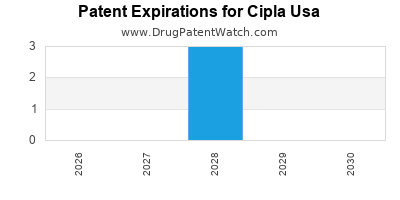
The U.S. patent landscape requires strategic planning to avoid infringement issues or to identify opportunities for generic substitution post-patent expiration.
4. Competitive Intensity
Competitors such as Mylan (now part of Viatris), Sandoz, and Teva have extensive U.S. operations with established market share. Cipla needs differentiation through innovation, quality, or cost advantage.
Strategic Recommendations
-
Pipeline Diversification: Prioritize R&D investments into biosimilars, complex generics, and niche therapeutics aligned with U.S. healthcare trends.
-
Brand Building: Develop brand recognition through strategic partnerships, targeted marketing, and clinician engagement to enhance product uptake.
-
Regulatory and Quality Excellence: Sustain high regulatory standards and streamline approval processes to accelerate time-to-market.
-
Digital Engagement: Leverage digital tools to optimize manufacturing, supply chain, and customer relationships, reducing costs and increasing responsiveness.
-
Alliance and Acquisition Strategy: Identify opportunities for strategic alliances or acquisitions to augment product portfolio, expand market access, and enhance technological capabilities.
Conclusion
Cipla USA, with its cost leadership, specialized product focus, and regulatory compliance, is well-positioned for sustainable growth within the competitive U.S. pharmaceutical landscape. While it faces challenges from entrenched players and regulatory complexities, strategic investments in biosimilars and emerging therapeutic areas, combined with robust digital and partnership strategies, can propel Cipla’s market penetration and revenue growth.
Key Takeaways
- Cipla USA maintains a strategic niche through its respiratory and specialty medication portfolio, capitalizing on its manufacturing expertise and cost advantages.
- Future growth hinges on expanding into biosimilars, complex generics, and therapeutics for unmet needs.
- Building brand recognition and clinician relationships is essential for market penetration.
- Digital transformation and strategic alliances can unlock efficiencies and market access.
- Navigating regulatory complexities remains critical for timely product launch and sustained compliance.
FAQs
Q1. What distinguishes Cipla USA from other generic pharmaceutical companies?
Cipla USA’s core differentiation lies in its expertise in respiratory therapies, cost-efficient manufacturing, and focus on complex generics and specialty medicines, enabling it to compete effectively against larger firms in niche segments.
Q2. How is Cipla USA positioned to capitalize on the biosimilars market?
Cipla’s existing biosimilar pipeline, manufacturing capabilities, and experience in complex formulations position it advantageously to expand in this high-growth sector, especially as regulatory frameworks become more favorable.
Q3. What are the main challenges facing Cipla USA in the American market?
Major challenges include high regulatory compliance costs, limited brand recognition, aggressive competition, and patent litigation risks, all of which require strategic planning to overcome.
Q4. How can Cipla USA leverage digital transformation to enhance its competitiveness?
Digital tools can streamline manufacturing, improve supply chain agility, enable direct customer engagement, and optimize market analytics, thus reducing costs and increasing responsiveness.
Q5. What strategic initiatives should Cipla USA undertake for future growth?
Priorities include pipeline diversification into biosimilars, targeted marketing to build brand presence, forging strategic alliances, and investing in regulatory compliance and digital infrastructure.
Sources
[1] Cipla Limited Annual Report 2022.
[2] MarketWatch, "U.S. Generic Pharmaceutical Market Data," 2023.
[3] Frost & Sullivan, “Global Manufacturing Strategies,” 2022.
[4] CDC, "Chronic Respiratory Disease Prevalence," 2022.
[5] Cipla USA Strategic Partnership Announcements, 2021.
[6] Grand View Research, "Biosimilars Market Forecast," 2022.