Last updated: July 27, 2025
Introduction
Biocryst Pharmaceuticals stands as a notable player within the niche biopharmaceutical sector, specializing in the discovery and development of targeted treatments for rare and infectious diseases. As the pharmaceutical landscape becomes increasingly competitive, understanding Biocryst's market positioning, core strengths, and strategic trajectory offers vital insights for stakeholders, investors, and industry analysts. This analysis delineates the company's competitive stance, examines its assets and vulnerabilities, and explores strategic pathways to sustain growth amid evolving market dynamics.
Market Position and Industry Context
Biocryst occupies a distinctive position in the pharmaceutical landscape, primarily focusing on antiviral and rare disease therapeutic segments. Its pipeline is anchored by Orladeyo (berotralstat), approved for hereditary angioedema (HAE), and Leflunomide, an investigational candidate targeting pernicious viral infections. With a strategic concentration on rare disease therapeutics, Biocryst leverages the unmet needs within these specialized markets, which often face less direct competition but demand highly targeted, innovative solutions.
The global rare disease therapeutics market is projected to reach approximately $210 billion by 2027, driven by rapid advances in precision medicine and regulatory incentives [1]. Biocryst's position as a specialist in this domain enables the company to capitalize on regulatory benefits and niche market demand, although it faces stiff competition from larger biotech entities and pharmaceutical giants expanding their rare disease portfolios.
Core Strengths
1. Proprietary and Early-Stage Pipeline
Biocryst's focused pipeline, including the approval of Orladeyo, demonstrates a robust platform for targeted therapies with specific genetic or molecular underpinnings. Its proprietary crystallography-based drug discovery platform facilitates rapid development of oral, non-injectable treatments, a significant advantage in patient compliance and market acceptance.
2. Market-Approved Product: Orladeyo (berotralstat)
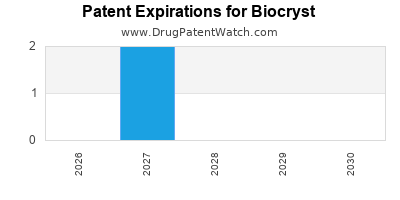
The approval and commercialization of Orladeyo have established Biocryst's revenue foundation. As an oral prophylactic treatment for HAE, Orladeyo benefits from a growing patient population and minimal generic competition due to patent protections and the rarity of the disease.
3. Strategic Collaborations and Licensing Agreements
Biocryst's alliances, including its licensing agreement with Vertex Pharmaceuticals for gene editing technologies, enhance its R&D capabilities and broaden its therapeutic scope. Such collaborations can accelerate development timelines and open new markets.
4. Focused Market Niche with Limited Competition
Rare disease markets often feature fewer competitors due to high development costs and complex regulatory pathways. Biocryst's targeted approach allows it to establish strong market positions within its chosen therapeutic areas.
5. Financial Flexibility
Recent funding rounds and partnerships have bolstered Biocryst's financial resilience. The company's strategic capital deployment supports ongoing R&D and market expansion efforts without overreliance on external financing.
Strategic Challenges and Vulnerabilities
1. Limited Product Portfolio and Revenue Streams
Biocryst's core revenue depends heavily on Orladeyo. The absence of a diversified product pipeline poses risks, particularly if patent challenges or market saturation diminish Orladeyo's market share.
2. Competitive Pressure from Larger Firms
Major pharmaceutical organizations such as Novartis, Shire (Takeda), and pharma giants like Sanofi continually expand their rare disease treatments. Larger entities benefit from substantial R&D budgets, global distribution networks, and established sales forces, which could threaten Biocryst's market share.
3. Pricing and Reimbursement Challenges
Pricing pressures in healthcare systems and reimbursement hurdles, especially in markets like the US and Europe, could constrain revenue growth. The high costs associated with rare disease treatments often lead to stringent payor negotiations.
4. Regulatory and Development Risks
As Biocryst advances its pipeline toward late-stage trials, regulatory challenges remain significant. Delays, clinical failures, or unfavorable rulings could impede product commercialization and shareholder value.
5. Market Penetration in Emerging and Underdeveloped Regions
Expanding access beyond established markets involves navigating complex regulatory landscapes, supply chain logistics, and payer acceptance—all potential hurdles that could dampen growth potential.
Competitive Dynamics and Key Players
In its core markets, Biocryst faces competition from companies such as BioCryst's direct competitors—notably those developing oral therapies for hereditary angioedema like BioMarin Pharmaceutical and Pharming Group. In the antiviral space, competitors include Gilead Sciences, AbbVie, and ViroPharma, which target similar viral infections with broad-spectrum antivirals or biologics.
Furthermore, the rise of gene therapies and personalized medicine—exemplified by companies like Byte biologics and Sage Therapeutics—may redefine therapeutic paradigms, indirectly challenging Biocryst’s strategic focus if these modalities prove more impactful or cost-effective.
Strategic Insights for Future Growth
Diversification of Product Portfolio
To mitigate risks associated with revenue concentration, Biocryst should prioritize expanding its pipeline into novel indications and therapeutic modalities. Investment in gene editing, RNA therapeutics, and combination therapies will enhance its innovation standing.
Global Market Expansion
Targeted entry into emerging markets can provide new revenue avenues. Early engagement with healthcare authorities, coupled with local manufacturing agreements, could reduce entry barriers and enhance competitive positioning.
Enhancement of R&D Capabilities through Collaborations
Leveraging academic partnerships, biotech alliances, and licensing agreements will accelerate pipeline development. Collaborations with diagnostic companies could facilitate precision medicine strategies and better patient segmentation.
Strengthening Market Access and Pricing Strategies
Proactive engagement with payers and health authorities to demonstrate cost-effectiveness and value propositions will be pivotal in safeguarding reimbursement pathways. Adoption of outcome-based pricing models may also align incentives.
Investment in Digital and Patient-Centric Technologies
Harnessing telemedicine, digital adherence tools, and real-world evidence collection can reinforce patient engagement and provide data to support market access strategies.
Key Takeaways
- Niche Focus, Growing Market: Biocryst's concentration on rare diseases—particularly hereditary angioedema—positions it within a lucrative, underserved market with limited direct competition.
- Pipeline as core asset: Its FDA-approved Orladeyo forms a revenue backbone, but pipeline diversification remains essential for long-term sustainability.
- Collaboration as a lever: Strategic partnerships are crucial for accelerating innovation, expanding therapeutic reach, and navigating regulatory landscapes.
- Competitive Dynamics: Larger firms and emerging biotech players pose ongoing threats; proactive differentiation and innovation are critical.
- Expansion Opportunities: Global market penetration and diversification into emerging therapeutic areas can unlock substantial growth.
FAQs
1. How does Biocryst differentiate itself from competitors in the rare disease space?
Biocryst leverages proprietary drug discovery platforms, focusing on orally administered, targeted therapies for rare conditions. Its early success with Orladeyo demonstrates its ability to bring niche treatments to market efficiently, with commitment to precision medicine, setting it apart from larger, less specialized competitors.
2. What are the primary risks faced by Biocryst?
Risks include heavy revenue dependence on a single product, intense competition from larger firms, regulatory delays, and the challenges inherent in pipeline development. Market access pressures and patent expirations could further impact revenue.
3. What strategic initiatives could bolster Biocryst’s growth?
Expanding its pipeline through acquisitions, forming new collaborations, entering emerging markets, and investing in digital healthcare tools will strengthen its market position and operational resilience.
4. How does Biocryst’s financial position support its strategic ambitions?
Recent financings and partnerships provide liquidity for R&D and commercialization activities. Maintaining disciplined capital allocation will be crucial for sustainable growth amidst competitive and regulatory uncertainties.
5. What emerging therapeutic areas present opportunities for Biocryst?
Gene therapies, RNA-based treatments, and personalized medicine approaches targeting rare genetic disorders are promising areas that align with Biocryst’s expertise and could signify future growth avenues.
References
[1] Grand View Research. “Rare Disease Therapeutics Market Size, Share & Trends Analysis Report By Disease Type, By Treatment Type, By Region, And Segment Forecasts, 2020 - 2027.”