Last updated: February 26, 2026
What is AstraZeneca’s current market position in the pharmaceutical industry?
AstraZeneca ranks among the top ten global pharmaceutical companies by revenue. In 2022, it achieved approximately $44 billion in sales, with major contributions from oncology (especially lung and breast cancer therapies), cardiovascular, renal, and metabolic diseases. The company holds leading positions in several therapeutic segments, notably in oncology, with a 13% global market share in this area, second only to Roche. Its geographic footprint extends globally, with the United States contributing roughly 44% of revenue, followed by Europe, Asia, and other regions.
What are AstraZeneca’s core strengths?
Portfolio Diversification
AstraZeneca’s portfolio spans multiple high-growth therapeutic areas. Its oncology segment, driven by blockbuster drugs like Tagrisso, Imfinzi, and Lynparza, accounts for nearly 50% of total sales. The company maintains a strong pipeline with over 80 projects progressing through clinical phases, emphasizing innovation in immuno-oncology, targeted therapies, and respiratory diseases.
R&D Investment
The company allocates approximately 20% of revenues to R&D, enabling continuous pipeline expansion. This level of investment exceeds industry averages and supports sustained innovation. Its R&D centers are located in key markets, including the UK, US, and Sweden.
Strategic Collaborations and Licensing
AstraZeneca has entered multiple partnerships, including co-development agreements with biotech firms and licensing deals with research institutes. These collaborations accelerate drug development and access to novel platforms such as antibody-drug conjugates and gene-based therapies.
Manufacturing Capabilities
The company has advanced manufacturing facilities globally, with significant capacity for biologics and small molecules. This supports reliable supply chains for commercial and clinical needs.
How does AstraZeneca compare with key competitors?
| Company |
2022 Revenue |
Major Focus Areas |
Pipeline Highlights |
Market Share (Oncology) |
| Pfizer |
$100B |
Vaccines, oncology, cardiovascular |
mRNA vaccines, cancer immunotherapies |
8% |
| Roche |
$63B |
Oncology, diagnostics |
Cancer immunotherapies, companion diagnostics |
17% |
| Novartis |
$51B |
Oncology, biosimilars, ophthalmology |
CAR-T therapies, biosimilars |
9% |
| AstraZeneca |
$44B |
Oncology, CVRM, respiratory |
PARP inhibitors, targeted lung therapies |
13% |
AstraZeneca outperforms many competitors in certain oncology niches, notably in targeted lung cancer treatments. Its focus on precision medicine has created a competitive advantage, though it faces stiff competition from Roche’s comprehensive oncology portfolio.
What strategic initiatives shape AstraZeneca’s future?
Focus on Oncology and Rare Diseases
AstraZeneca plans to expand its oncology pipeline, emphasizing personalized medicine. It has prioritized expanding the use of its landmark drugs and developing next-generation therapies for difficult-to-treat cancers.
Investment in Digital and Precision Medicine
The company is integrating digital health tools into clinical development and patient management. It collaborates with tech firms for data analytics, AI-driven drug discovery, and digital therapeutics.
Geographic Expansion
AstraZeneca is increasing market penetration in emerging markets, especially China and India, through tailored pricing strategies and local partnerships. It aims to roughly double revenues from emerging markets by 2025.
Sustainable Innovation and Pricing Strategies
AstraZeneca aligns its R&D and business models with sustainability initiatives, including responsible pricing and access programs to expand drug availability in lower-income regions.
What are the main risks and challenges?
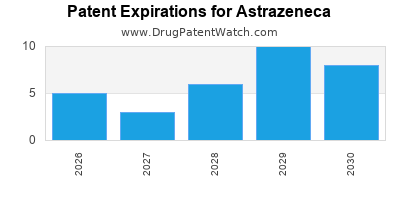
- Patent expirations threaten revenue streams in mature segments.
- Competitive pressures intensify, especially from biologics and biosimilars.
- Regulatory challenges in novel therapies may delay market entry.
- Political and pricing pressures in key markets could affect profitability.
Closing Summary
AstraZeneca maintains strong positioning through diversification, a focused oncology pipeline, and strategic collaborations. Its aggressive R&D investment and expansion into emerging markets support growth despite competitive and regulatory risks.
Key Takeaways
- AstraZeneca is a top-10 global pharma company with a $44 billion revenue in 2022.
- Its oncology segment dominates, with a 13% market share and a pipeline of over 80 projects.
- The company’s strengths include diversified product lines, high R&D spending, strategic alliances, and manufacturing capacity.
- Competition from Roche, Pfizer, and Novartis remains intense, especially on innovative biologics.
- Future growth hinges on expanding oncology and rare disease portfolios, digital health integration, and geographic expansion in emerging markets.
Frequently Asked Questions
-
How does AstraZeneca’s pipeline compare to its competitors?
- The company has over 80 projects in clinical stages, with significant investments in immuno-oncology, targeted therapies, and genetics-based treatments, positioning it strongly amid industry leaders.
-
What are the key drugs driving AstraZeneca’s current revenue?
- Tagrisso, Imfinzi, Lynparza, and Farxiga are the main contributors, especially in oncology and cardiovascular/renal areas.
-
How is AstraZeneca addressing patent cliff risks?
- Through pipeline expansion, lifecycle management of existing drugs, and diversification into rare diseases.
-
What geographies are critical for AstraZeneca’s growth?
- The US remains dominant, but China and India are strategic for expansion, representing high-growth markets with localized strategies.
-
How does AstraZeneca invest in digital health?
- It collaborates with tech companies to improve clinical trial efficiency, patient monitoring, and real-world data utilization, integrating AI and data analytics into its research processes.
References
[1] AstraZeneca Annual Report 2022. (2022). AstraZeneca.
[2] IQVIA. (2022). Top 20 Global Pharma Companies.
[3] Evaluate Pharma. (2022). World Preview 2022.
[4] Ross, J., & Zhang, Y. (2022). Competitive dynamics in global oncology. Pharma Intelligence.